
ADHD and Sleep Problems: What's Often Missed
ADHD and sleep problems are often intertwined in adults. A restless mind, disrupted internal clocks, neurotransmitter imbalances, and a higher risk of sleep disorders are just a few characteristics of ADHD that can lead to sleep difficulties. This is why many adults with ADHD complain about their sleep routines and overall sleep quality.
However, many times these sleep problems in adults with ADHD are mislabelled as insomnia, which results in the real issue being ignored and left untreated. This article aims to clarify what is often overlooked in adults' complaints about sleep problems and why this matters.
Insomnia vs Circadian Rhythm Disorders
Many people with ADHD who talk to their doctors about lack of sleep are typically diagnosed with insomnia when, instead, they may have a circadian rhythm disorder. One of the most common of these is Delayed Sleep–Wake Phase Disorder (DSWPD).
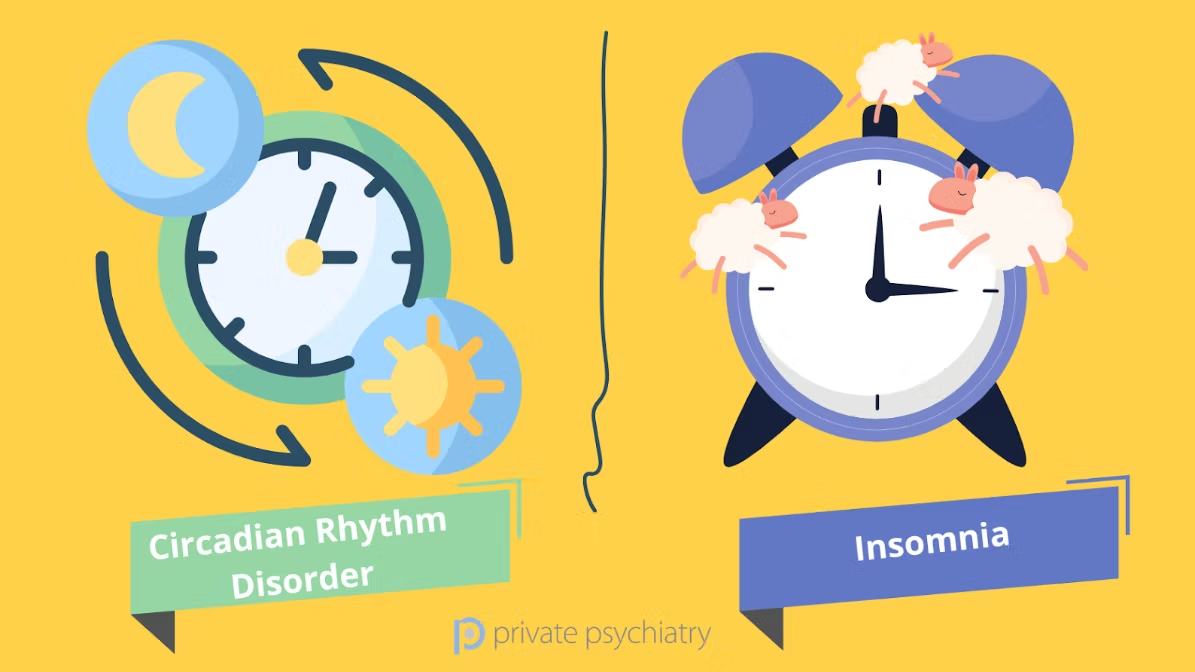
Insomnia is a difficulty that prevents sleep despite having adequate opportunity to sleep. You could lie in bed early after an exhausting day, turn off your phone, and relax your body and mind in an attempt to fall asleep, but still be unable to do so. Insomnia is usually driven by hyperarousal, overthinking and mental restlessness, and conditioned anxiety around sleep, all of which are very common in ADHD.
Delayed Sleep–Wake Phase Disorder, on the other hand, is a biological misalignment of the body clock. Unlike insomnia, a person with DSWPD can sleep well, but only at very late hours. Instead of having difficulty falling asleep, they struggle to wake up early despite getting sufficient sleep duration.
It is important to highlight that DSWPD is often unfairly characterised as a motivation or discipline issue, which contributes to misdiagnosis or lack of treatment. If a person has a circadian misalignment, sleep hygiene alone will not resolve the problem.
Why This Matters in ADHD
ADHD is associated with an evening chronotype, delayed melatonin release, racing thoughts, and difficulty switching off. If you have ADHD and are not getting enough quality sleep, your ADHD symptoms will worsen over time, creating a vicious cycle. If, alongside ADHD, you also have insomnia, treatment will require psychological and behavioural approaches. Circadian rhythm disorders, however, require timing-based interventions rather than stricter routines.
A mental health expert with experience in ADHD and sleep problems can evaluate and diagnose ADHD or sleep disorders, but more importantly, they can identify which condition is the primary issue. The treatment approach and options will depend on the symptoms you have and their impact on your life.
If a circadian rhythm disorder is the core problem, treatment is most often based on timing-based interventions that focus on light exposure, sleep–wake timing, and gradual circadian shifts. Although stricter routines can be effective for some people with insomnia, they are often ineffective and potentially stress-inducing for adults with DSWPD.
Timing-Based Interventions: Treating the Clock, Not Just the Habits
When sleep problems in ADHD are driven by circadian rhythm disruption rather than insomnia, the focus of treatment needs to shift. A person with a circadian rhythm disorder has a body clock that is biologically out of sync with social schedules. That is why attempting to follow conventional sleep hygiene advice is often ineffective for people with circadian rhythm disorders.
Timing-based interventions aim to gently realign the circadian system instead of forcing sleep at an incompatible hour. This may involve carefully adjusting wake-up times, strategically using morning light exposure, and reducing light at night to support earlier melatonin release. The emphasis in circadian rhythm treatment is on when sleep and wakefulness occur, not simply on how well someone follows rules around sleep.
For adults with ADHD, this approach is particularly important. ADHD is commonly associated with an evening chronotype and delayed melatonin production, meaning the brain may not be biologically ready for sleep until very late. Expecting immediate early bedtimes ignores this reality and often increases sleep-related anxiety.
Private Psychiatry Perspective
Unfortunately, many private psychiatry clinics do not combine expertise in ADHD and sleep disorders. This often leads adults to focus on and treat one condition, or to seek help for the other condition elsewhere. Neither option is ideal, as treatment may fail to address the full range of symptoms.
A psychiatrist specialising in both ADHD and sleep can provide an accurate diagnosis and personalised treatment. Such an integrated approach increases the chances of better outcomes for adults with ADHD and sleep difficulties. Whether you have a sleep disorder or another mental health condition alongside ADHD, meaningful improvement is unlikely if one condition is treated while symptoms from the other are ignored.
Private Psychiatry specialises in both areas, ensuring a more targeted, effective, and compassionate approach to treatment. One common outcome of being misdiagnosed or not diagnosed at all is self-blame.
When you have not received adequate support for symptoms that are affecting your life, you may begin to blame yourself, which only worsens the situation. With an integrated approach, many adults with mental health conditions experience reduced self-blame and faster improvement.
Conclusion
Although ADHD and sleep problems can significantly interfere with overall quality of life, they are treatable when approached in the right way. When a mental health expert specialised in both ADHD and sleep evaluates all symptoms and provides a comprehensive diagnosis, it creates greater awareness and helps prevent years of ineffective treatment.
When ADHD and sleep are assessed together, adults are better able to understand their conditions and thrive in their lives. Oftentimes, people with ADHD are told that they simply have poor sleep habits. This can discourage them from seeking proper help and support and may force them to live with an undiagnosed sleep disorder.
A diagnosis replaces frustration and self-blame with clarity. Instead of living without understanding why you feel the way you do, choosing a clinic that can assess all your symptoms and provide an integrated approach can make a meaningful difference in your life.