← All recordings & courses
ADHD & Women: Misdiagnosed & Misunderstood
On-demand video course · 6 modules

ADHD & Women: Misdiagnosed & Misunderstood

with Dr Anneka Tomlinson

£60

  • ▶ 6 modules
  • 6½ hours of video
  • Instant access
  • Yours until Sep 2027
  • Full refund guarantee

About this course

Why are so many women with ADHD diagnosed late, misdiagnosed, or missed altogether? In this on-demand course, Oxford psychiatrist Dr Anneka Tomlinson explains what ADHD really is — and how it shows up differently in women — from the myths and the diagnostic process to co-occurring conditions, the science of the ADHD brain and how treatment works. Across six modules and a bonus session of short, bite-sized lessons, she covers the powerful role of hormones through the menstrual cycle, menopause and pregnancy, as well as executive dysfunction, emotional dysregulation and rejection sensitive dysphoria — with practical strategies throughout, her slides for every module and a course workbook.

Everything you get

  • 6 modules plus a bonus session with Dr Anneka Tomlinson — over 6 hours of teaching, in 23 bite-sized lessons
  • Anneka’s slides for every module, plus a 14-page course workbook of key messages, practical tips and resources
  • Your own private course hub — every lesson in one place, on any device
  • Instant access by email after checkout — watch and rewatch until September 2027
  • Full refund if it’s not for you — just ask

The course, module by module

Dr Anneka Tomlinson — Understanding the Symptoms and Diagnosis of ADHD in Women
Module 1

Understanding the Symptoms and Diagnosis of ADHD in Women

with Dr Anneka Tomlinson

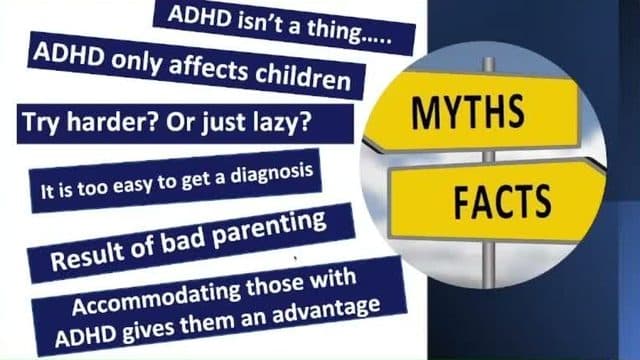
Anneka starts by clearing away the myths: that ADHD only affects boys, that it’s laziness or a lack of effort, or that it’s simply a superpower. She explains what ADHD actually is — a neurodevelopmental condition affecting attention, impulsivity, activity and emotion — walks through its inattentive, hyperactive-impulsive and combined presentations, and sets out exactly how it’s assessed and diagnosed, from the diagnostic criteria to NHS and private referral routes.

  • The most common myths about ADHD, and what’s really going on
  • How the three ADHD presentations differ
  • The difference between having some ADHD traits and having the condition
  • How diagnosis works — criteria, referrals and waiting lists
Dr Anneka Tomlinson — The Impact of Untreated ADHD
Module 2

The Impact of Untreated ADHD

with Dr Anneka Tomlinson

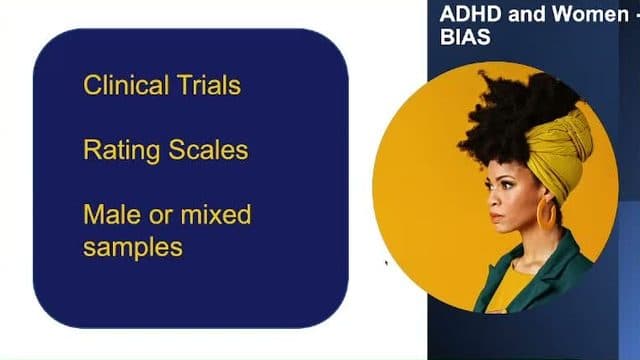
Why are so many women diagnosed late, or not at all? Anneka looks at research built on male samples, referral rates of between three and sixteen boys for every girl, and the quieter, inattentive presentation that’s easily missed — or masked. She then lays out what untreated ADHD can cost, from relationships, finances and risk-taking to self-esteem, and why assessment and management matter so much.

  • Why girls and women are so often missed or misdiagnosed
  • How masking and coping strategies can hide ADHD for years
  • Why symptoms often surface at life transitions
  • The real-world impact of ADHD that goes untreated
Dr Anneka Tomlinson — Co-occurring Conditions in ADHD
Module 3

Co-occurring Conditions in ADHD

with Dr Anneka Tomlinson

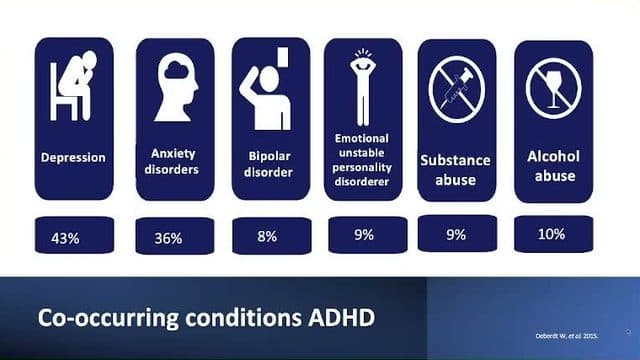
ADHD rarely travels alone. Anneka explores the conditions that commonly sit alongside it — depression, anxiety, bipolar disorder, substance use and disordered eating — and why women tend to show internalising conditions that can hide the ADHD underneath. She covers how clinicians decide what to treat first, the link between hormones and mood, and premenstrual dysphoric disorder (PMDD).

  • Why 43% of adults with ADHD also experience depression
  • Telling ADHD and bipolar disorder apart
  • What PMDD is, and why it matters so much for women with ADHD
  • How clinicians decide which condition to treat first
Dr Anneka Tomlinson — The Science and Treatment of ADHD
Module 4

The Science and Treatment of ADHD

with Dr Anneka Tomlinson

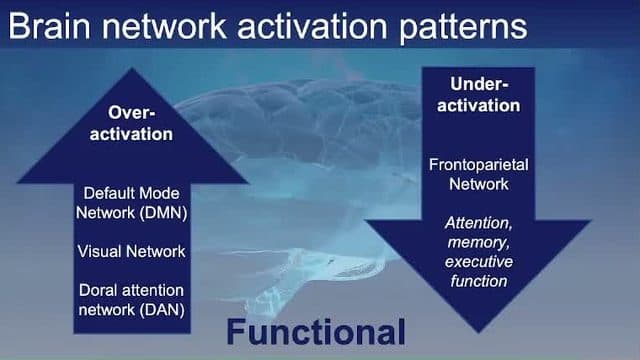
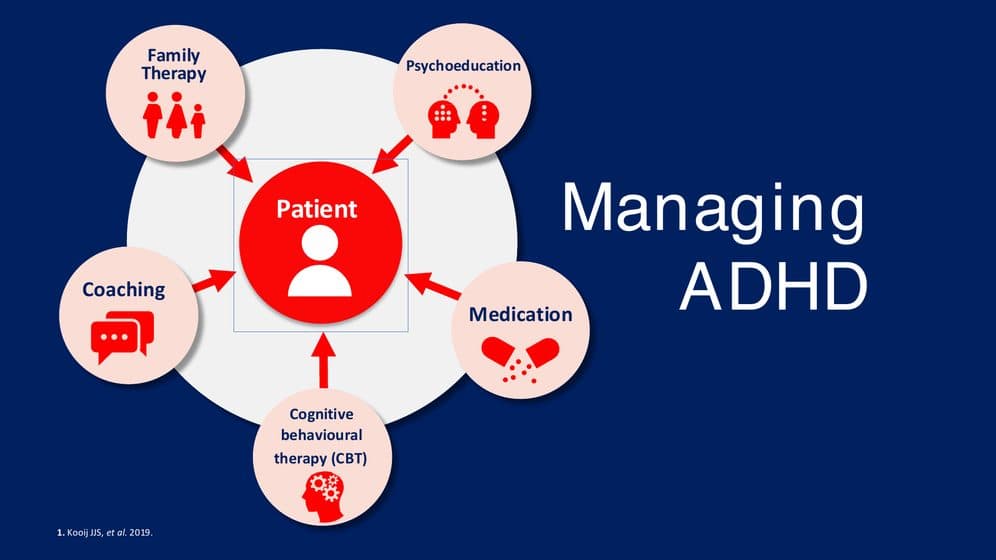
What’s different about the ADHD brain? Anneka explains the structural, functional and chemical differences — including the roles of dopamine and noradrenaline — and asks whether the science points to a disorder or a difference. She then turns to treatment: the full range of management options, how stimulant and non-stimulant medications work, their side effects and monitoring, and what a shared care agreement is.

  • The brain science of ADHD, explained clearly
  • The full toolkit of treatments, medical and non-medical
  • How ADHD medications work, and how they differ
  • Side effects, monitoring and shared care agreements
Dr Anneka Tomlinson — ADHD & Hormones: Menstruation, Menopause and Pregnancy
Module 5

ADHD & Hormones: Menstruation, Menopause and Pregnancy

with Dr Anneka Tomlinson

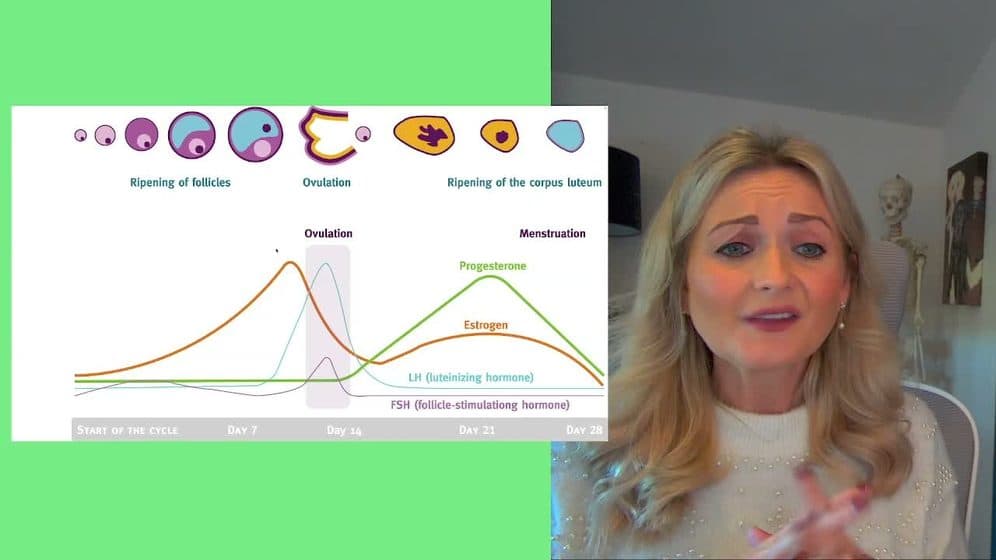
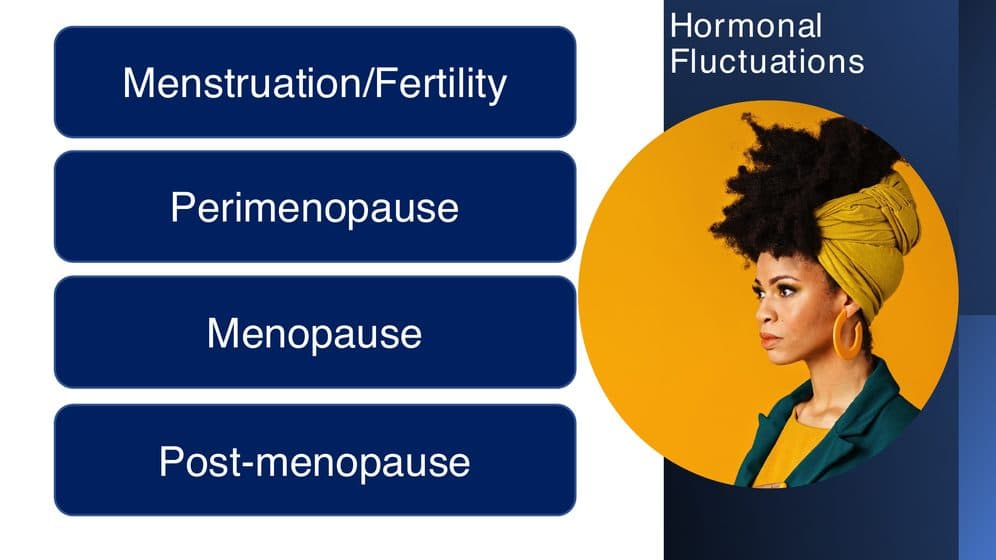
Hormones are central to understanding ADHD in women. Anneka explains the link between oestrogen and dopamine, and how ADHD symptoms can shift across the menstrual cycle, with hormonal contraception, through perimenopause and menopause — when diagnoses are rising fast — and during pregnancy, where she discusses the evidence on medication and the risk of postnatal depression.

  • How oestrogen and dopamine are linked
  • Why ADHD symptoms can change across your cycle
  • ADHD in perimenopause and menopause
  • What’s known about ADHD and medication in pregnancy
Dr Anneka Tomlinson — Executive Dysfunction, Emotional Dysregulation and Rejection Sensitive Dysphoria
Module 6

Executive Dysfunction, Emotional Dysregulation and Rejection Sensitive Dysphoria

with Dr Anneka Tomlinson

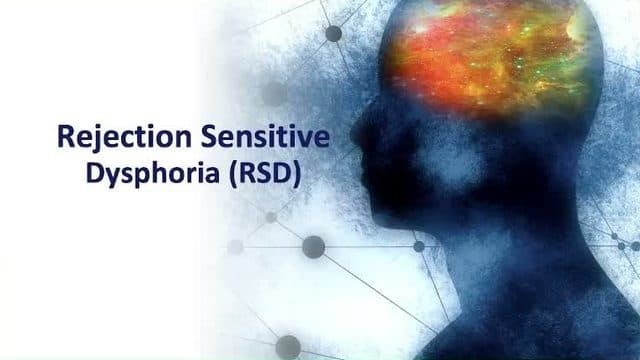
The final module covers the parts of ADHD that often affect daily life the most. Anneka explains what executive functions are and what happens when they falter — time blindness included — then explores emotional dysregulation and rejection sensitive dysphoria, with practical strategies for each. She closes with ADHD coaching: what it is, what the evidence says, and how to choose a coach.

  • What executive dysfunction is, and how it shows up
  • Why emotions can feel so intense with ADHD
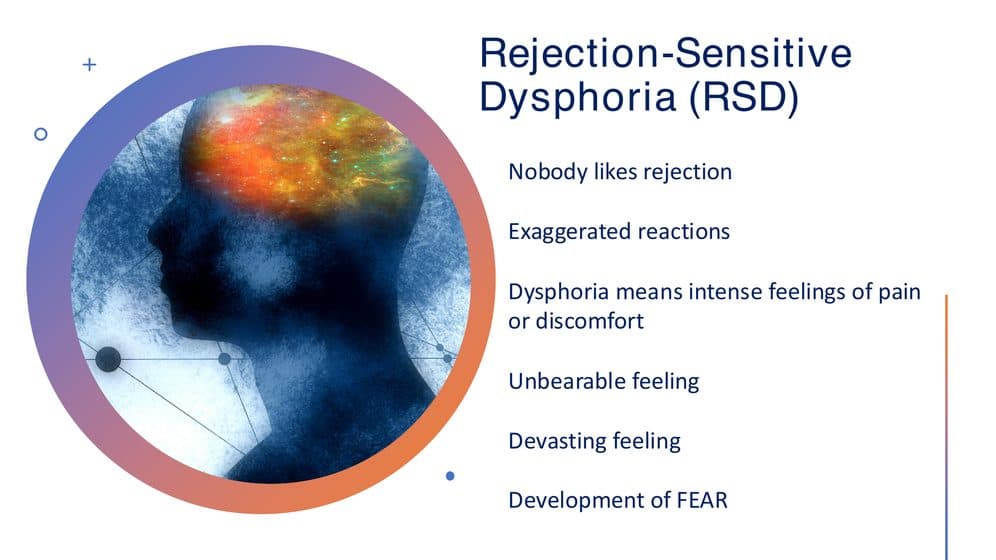
  • Rejection sensitive dysphoria, and how to challenge it
  • What ADHD coaching can offer, and how to find a good coach
Dr Anneka Tomlinson — Practical Tips
Bonus

Practical Tips

with Dr Anneka Tomlinson

Anneka rounds off the course with her practical, everyday strategies for living well with ADHD — from keeping a symptom diary to the lifestyle foundations that make a real difference.

  • Tracking your symptoms to spot patterns
  • Everyday habits that support focus and mood

A peek inside

ADHD & Women: Misdiagnosed & Misunderstood — preview 1
ADHD & Women: Misdiagnosed & Misunderstood — preview 2
ADHD & Women: Misdiagnosed & Misunderstood — preview 3
ADHD & Women: Misdiagnosed & Misunderstood — preview 4

Your speakers

Dr Anneka Tomlinson

Dr Anneka Tomlinson

Clinical Academic Psychiatry Fellow, University of Oxford

Dr Anneka Tomlinson is a Clinical Academic Psychiatry Fellow at the University of Oxford. Having treated many adults with ADHD, she now focuses on targeted, individualised treatment in mental health, particularly ADHD and mood disorders. She works in the Oxford Precision Psychiatry Lab with Professor Andrea Cipriani, is widely published, and collaborates with ADHD expert Professor Samuele Cortese at the University of Southampton on identifying treatment predictors in patients with ADHD.

Common questions

How do I watch the course?

As soon as your payment goes through, we email you a personal link to your private course hub — every lesson, Anneka’s slides and the workbook in one place. It works on any device with a browser, and there’s no account or password to set up.

How long do I have access?

You can watch and rewatch as much as you like until September 2027 — plenty of time to take the course at your own pace.

Is this live? Do I need to show up at set times?

No — the course was filmed as short lessons, mostly 12–25 minutes each, so you can watch whenever suits you and fit a lesson into a lunch break. Your place in each video is remembered, so you can stop and pick up where you left off.

Do I get slides or handouts?

Yes — Anneka’s slides for every module are on your course hub to download, along with a 14-page course workbook of key messages, practical tips, useful resources and references.

Is this medical advice?

The course is educational, taught by a practising psychiatrist, but it isn’t a substitute for individual medical advice. If you think you might have ADHD, or you’re thinking about changing any medication, please speak to your GP or treating clinician.

What if it’s not for me?

We offer a full, no-quibble refund — just ask. If the course isn’t what you hoped for, reply to your receipt and we’ll sort it, no questions asked.

Who is this course for?

Women who suspect they might have ADHD, women who’ve recently been diagnosed and want to understand it properly, and anyone supporting a partner, daughter, friend or client with ADHD. No prior knowledge is needed.

Ready to start? All 6 modules, instantly — £60.