← All recordings & courses
The Folklore & Women Course
On-demand course · 6 sessions

The Folklore & Women Course

with Prof Diane Purkiss

£60

  • ▶ All 6 sessions — over 11 hours of expert teaching, instantly by email.
  • 📂 Every session in one place, in your own private course hub.
  • ♾ Watch and rewatch as much as you like , until July 2027.
  • ↩ Full refund if it’s not for you — just ask.

About this course

Folklore isn’t something old and finished — we are all still making it every day, and so much of it has quietly worked to define and constrain the lives of women. Across six spellbinding sessions, Oxford professor Diane Purkiss takes you from the everyday superstitions we live by to the hags, mermaids, fairy queens, monsters and witches who have haunted our stories for centuries — and asks what they reveal about the cultures that dreamed them up. This is the complete recording of the six-week live course, including the audience Q&A from every session. Purkiss moves from myth to real history with wit and formidable scholarship — reclaiming the crone, the warrior mermaid and the fairy queen along the way, and separating the witch we imagine from the real women who were tried and hanged. A rare chance to spend hours in the company of one of Britain’s great folklorists.

Everything you get

  • All 6 sessions with Prof Diane Purkiss — over 11 hours of teaching, including the live audience Q&A
  • Your own private course hub — every session in one place, on any device
  • Instant access by email after checkout — no account or password needed
  • Watch and rewatch as much as you like, until July 2027
  • Full refund if it’s not for you — just ask

The course, session by session

Prof Diane Purkiss — The Folklore We Live By
Session 1

The Folklore We Live By

with Prof Diane Purkiss

Prof Diane Purkiss opens the course by dismantling the idea that folklore is something old and finished. Through Anzac biscuits, a Mel Gibson film, memes, crossed fingers and the rituals of birthdays, weddings and Valentine’s Day, she shows that we are all still making folklore every day — and asks why so much of it quietly works to define and constrain the lives of women.

  • Why memes, biscuits and films all count as folklore
  • The hidden logic behind lucky charms and bad-luck beliefs
  • How the calendar we inherit sidelines women’s lives
  • What weddings, birthdays and rites of passage really mark
Prof Diane Purkiss — Hags, Crones and Winter Queens
Session 2

Hags, Crones and Winter Queens

with Prof Diane Purkiss

Prof Diane Purkiss turns to the wintry women of myth: the child-devouring Alpine goddess Perchta, Mother Holle, Italy’s Befana, the Scottish Cailleach, Baba Yaga and Hans Andersen’s Snow Queen. She traces how ambivalent winter goddesses were slowly twisted into monstrous, child-eating hags, and makes the case for reclaiming the crone as a figure of wisdom, power and creative energy rather than something to fear.

  • How winter goddesses became feared child-devouring hags
  • Why ovens, snow and firewood recur in these tales
  • The Irish sovereignty hag who chooses Ireland’s king
  • Reading Frozen’s Elsa as a reclaimed Snow Queen
Prof Diane Purkiss — Mermaids and the Warrior Woman
Session 3

Mermaids and the Warrior Woman

with Prof Diane Purkiss

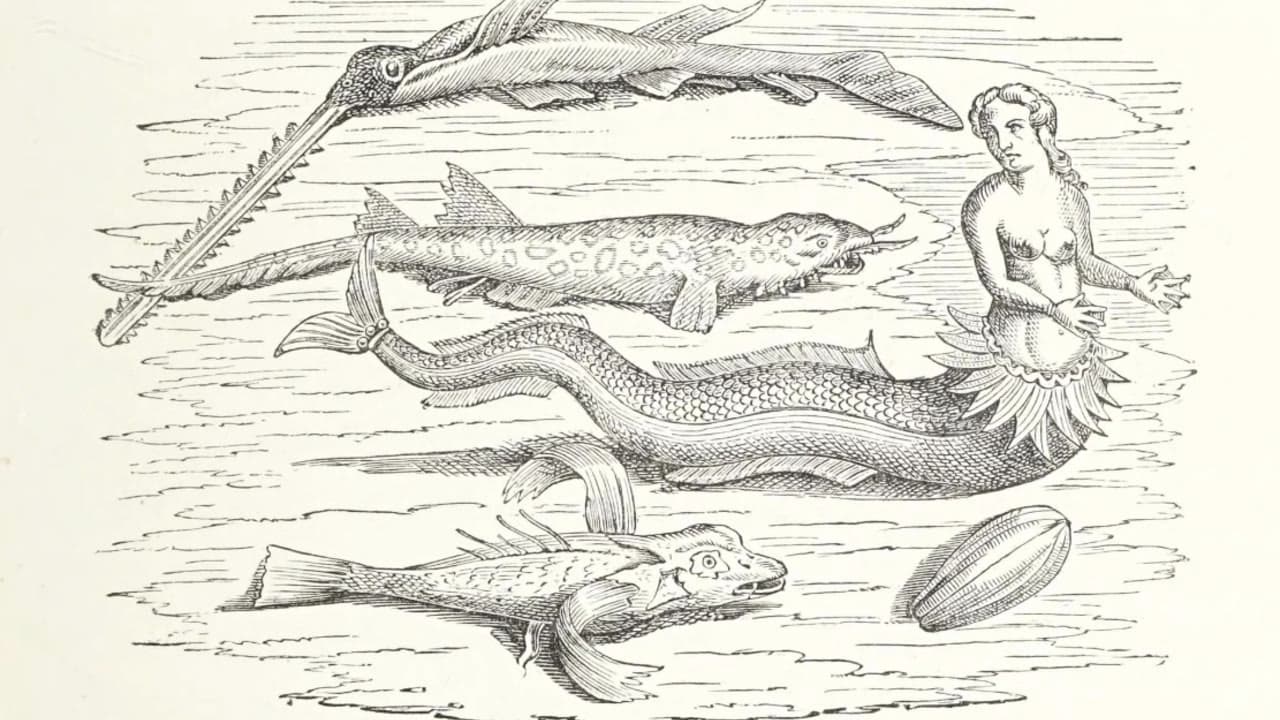
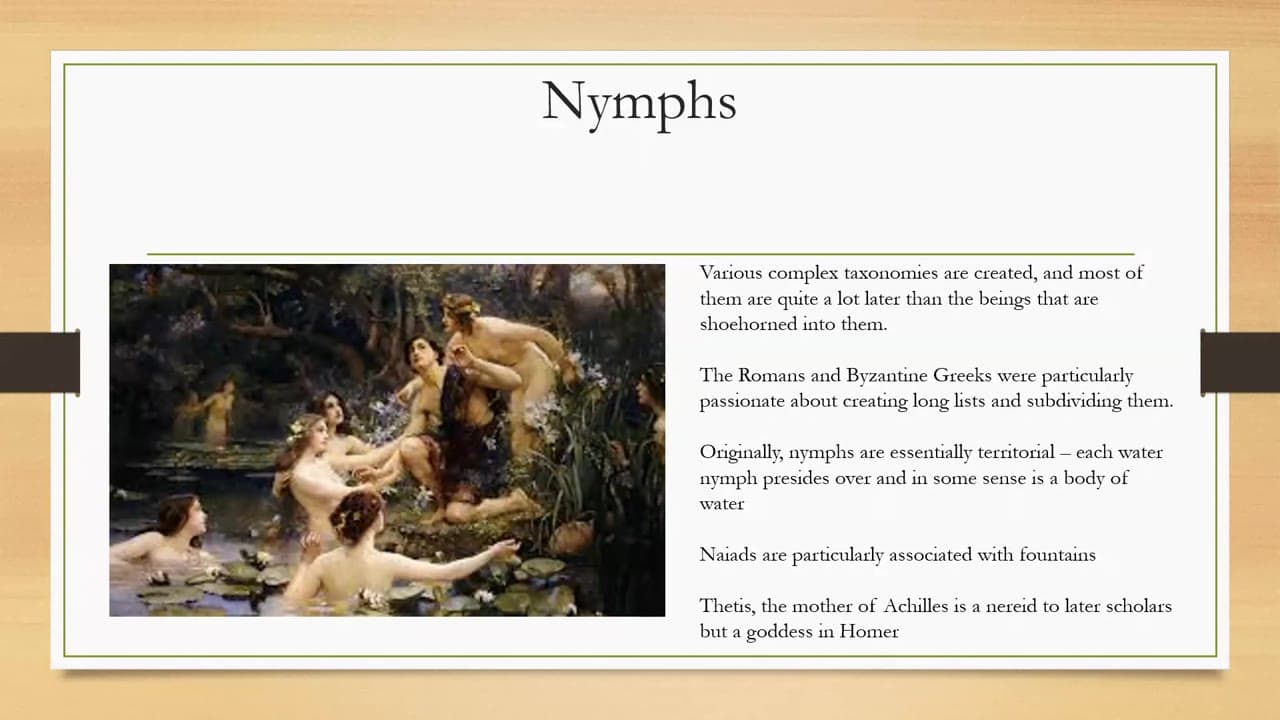
Prof Diane Purkiss traces the mermaid from her origins as the fierce ‘merwif’ of Beowulf — Grendel’s mother, a sword-wielding warrior woman — to the tiny, waistless figure Disney handed us. Along the way she uncovers the queer longing coded into Hans Andersen’s tale, tours the sirens, nymphs, silkies and Ladies of the Lake haunting Britain’s coasts, and asks how a formidable watery woman was ever tamed into a pretty girl.

  • How Grendel’s mother was mistranslated from warrior into monster
  • The queer longing hidden in Andersen’s and Disney’s mermaid
  • Sirens, nymphs, silkies and Ladies of the Lake explained
  • Why old medicine cast the female body as cold and watery
Prof Diane Purkiss — The Fairy Queen and Her Witches
Session 4

The Fairy Queen and Her Witches

with Prof Diane Purkiss

Prof Diane Purkiss steps into the fairy otherworld — a realm imagined alongside our own and always ruled by a queen. She follows the Fairy Queen from the night-riding goddess Diana to the Gaelic Otherworld, the ballads of Tam Lin and Thomas the Rhymer, and the Scottish witches who named her as the source of their healing power. Along the way: changelings, hearth-sweeping brownies, and why the Kirk found a woman with supernatural authority so unbearable.

  • Why fairyland was imagined as a matriarchy ruled by a queen
  • How Diana’s night-riding horde became the Fairy Queen
  • Tam Lin, Thomas the Rhymer and the captive elf knight
  • What Scottish fairy witches confessed about their power
Prof Diane Purkiss — Monsters and the Monstrous Feminine
Session 5

Monsters and the Monstrous Feminine

with Prof Diane Purkiss

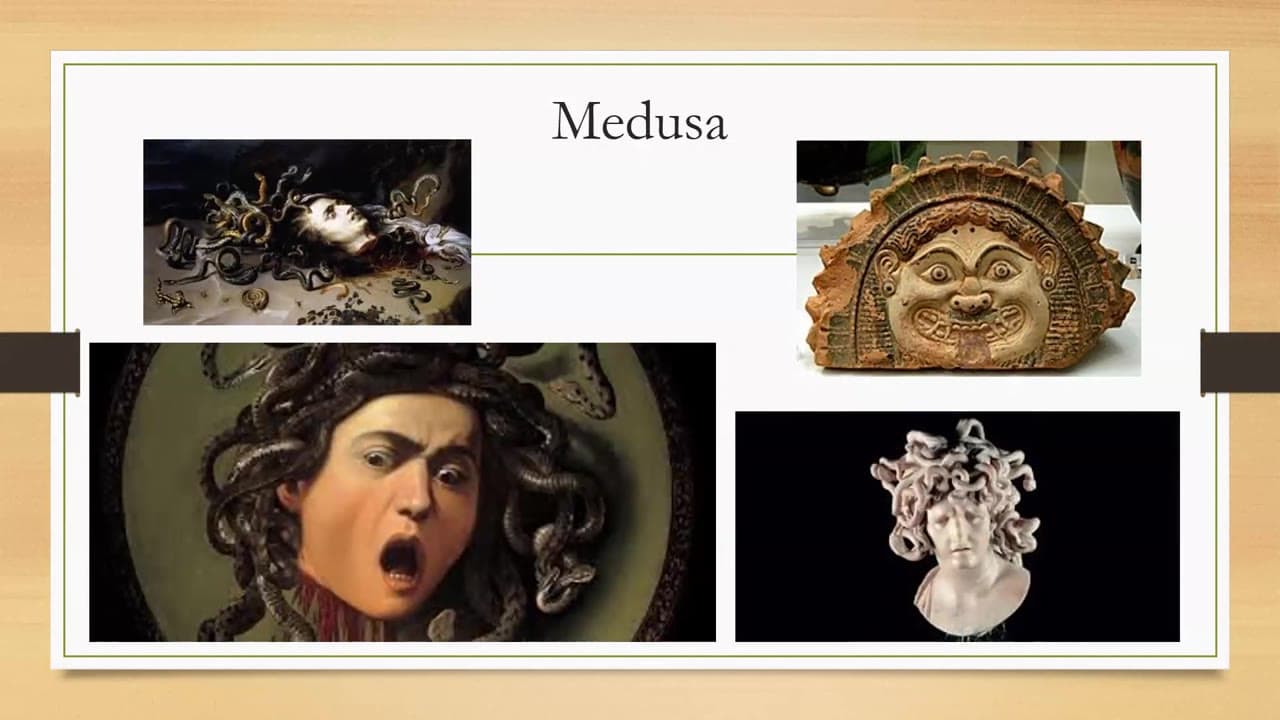
Prof Diane Purkiss asks why so many of mythology’s monsters are female — and what that reveals about the cultures that dreamed them up. From John Knox’s ‘monstrous regiment of women’ to Medusa, the harpies and the child-stealing Lamia, she traces the monster as a warning, a misshapen body and a way to condemn women who stray out of their lane, before arriving at Frankenstein, Dracula and the monstrous feminine on screen.

  • Why the word ‘monster’ first meant a warning from God
  • How Medusa reaches her peak power only once beheaded
  • Why so many monsters are serpents from the waist down
  • How the pregnant body became the root of monstrous horror
Prof Diane Purkiss — The Witch: Folklore Versus History
Session 6

The Witch: Folklore Versus History

with Prof Diane Purkiss

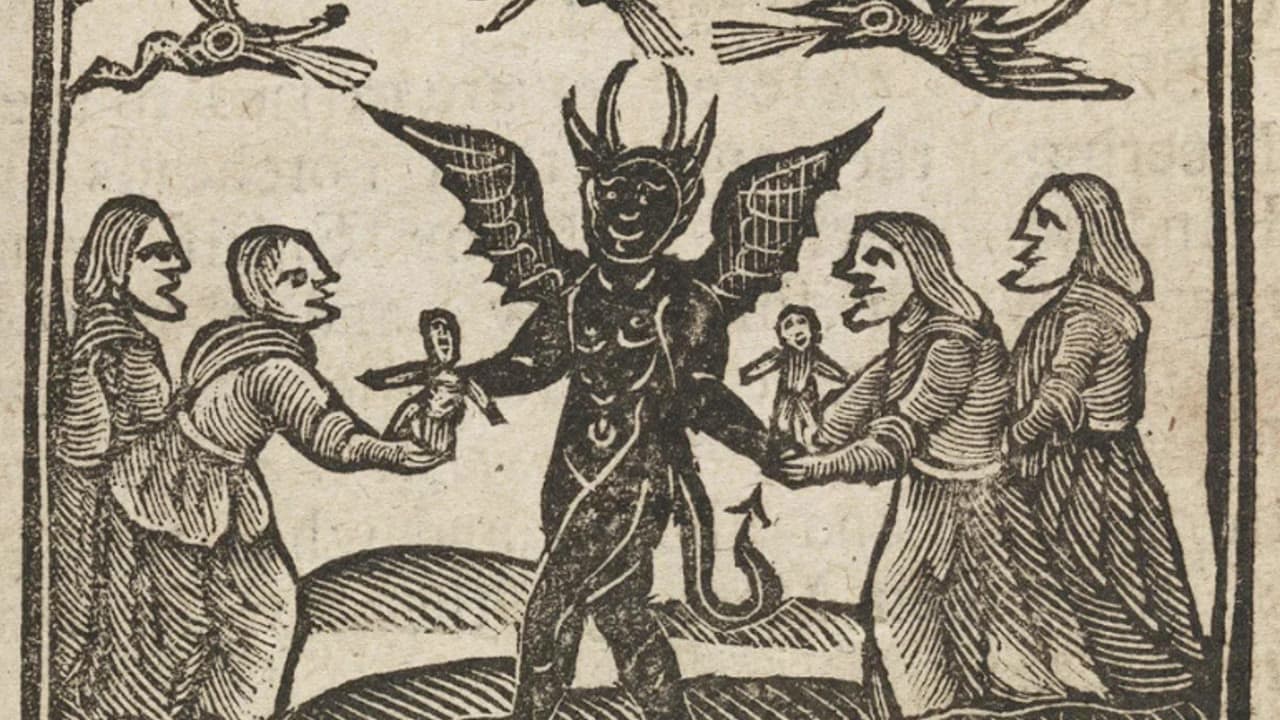
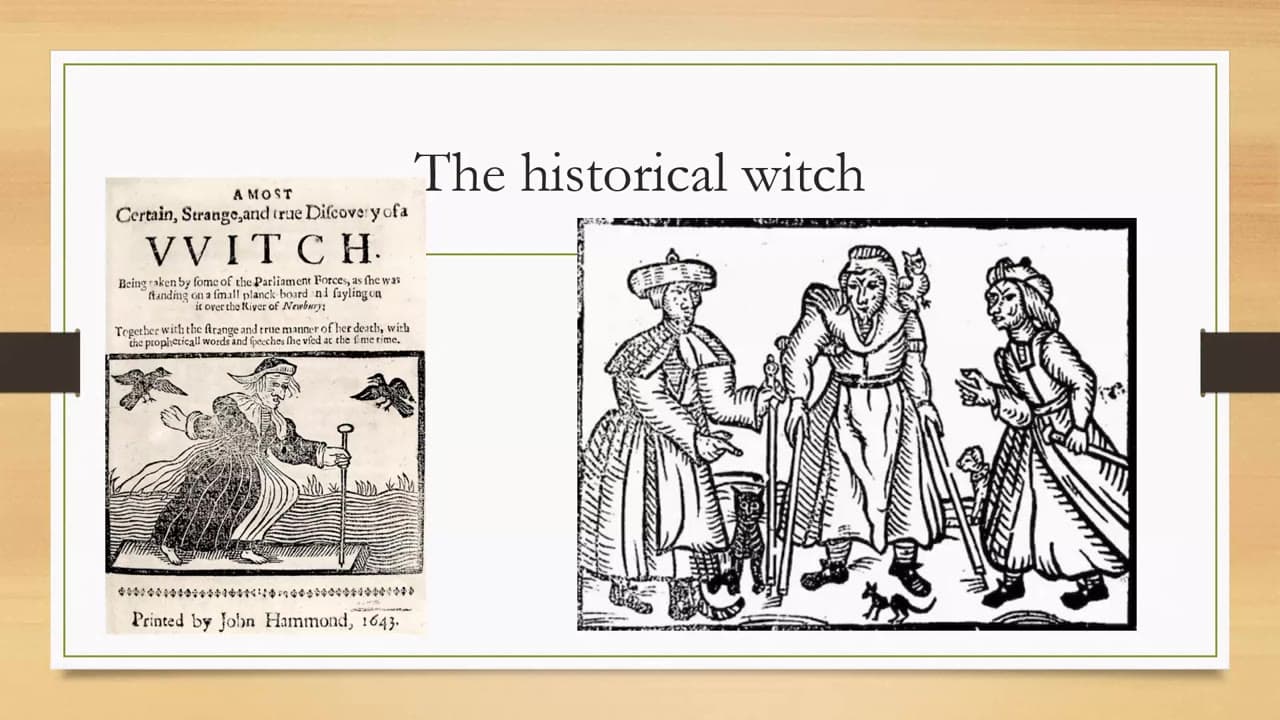
In this final session Purkiss separates the witch we imagine — empowering, feminist, or green and cackling — from the real women who were tried, and often hanged. She busts the familiar myths (no Inquisition, no mass burnings, no gentle pagan midwives), traces the figure back to the goddess Hecate and the witch Medea, and tells the stories of two accused women, Ursley Kemp of St Osyth and the Pendle witch Elizabeth Southerns.

  • Why the broomstick signals a refusal to do housework
  • Why English witches were hanged, not burned
  • How witch-hunting rose with literacy, not superstition
  • The real women behind the St Osyth and Pendle trials

A peek inside

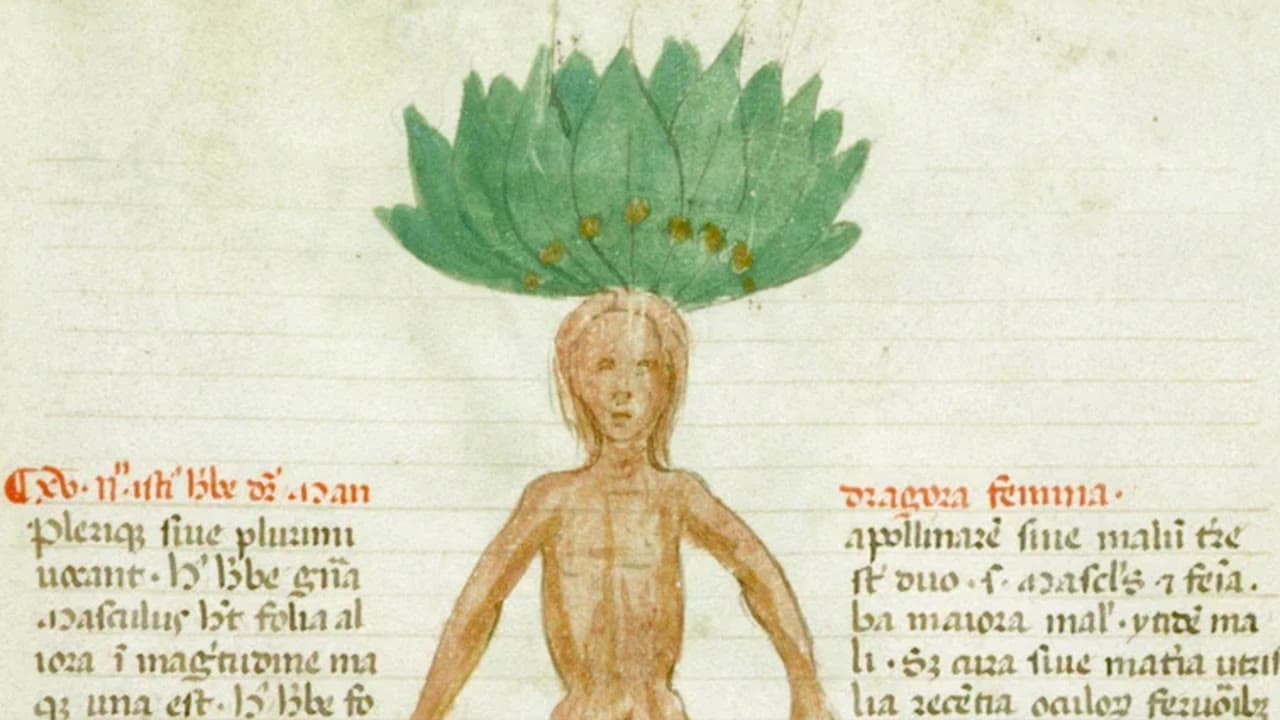
The Folklore & Women Course — preview 2
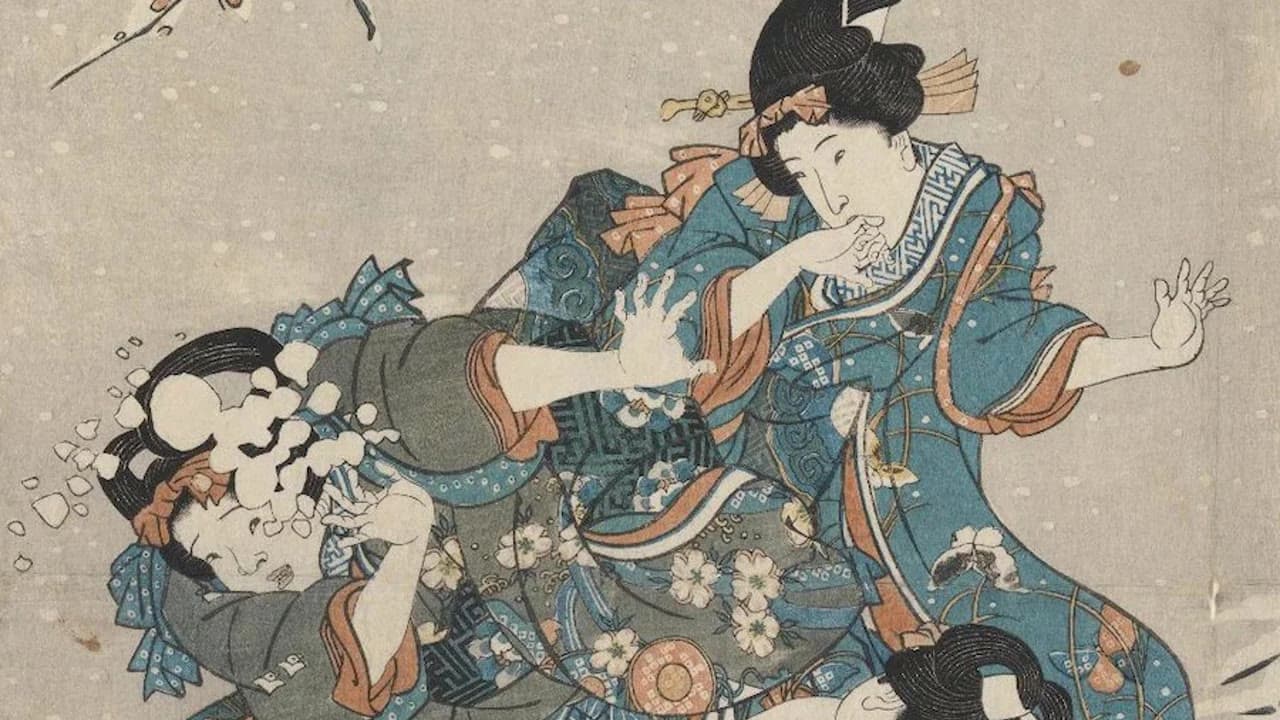
The Folklore & Women Course — preview 3
The Folklore & Women Course — preview 4

Your speakers

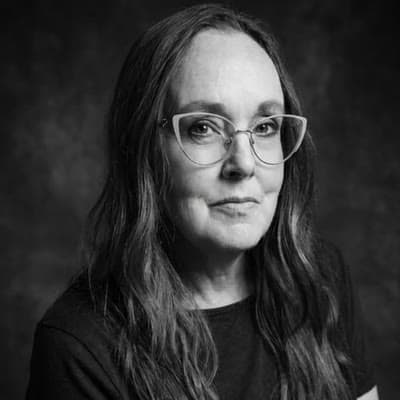
Prof Diane Purkiss

Prof Diane Purkiss

Professor of English, University of Oxford

Diane Purkiss is Professor of English at the University of Oxford, and a fellow of Keble College. She has published works on witchcraft, fairies, and also on the English Civil War, the occasion of England’s biggest witch-hunt. She has appeared in more than a dozen television documentaries, and has spoken to general audiences at numerous literary festivals and to many local history societies.

Common questions

How do I watch the course?

As soon as your payment goes through, we email you a personal link to your private course hub — all six sessions in one place. It works on any device with a browser, and there’s no account or password to set up.

How long do I have access?

You can watch and rewatch as much as you like until July 2027 — plenty of time to take the course at your own pace, whether you binge all six sessions in a weekend or take one a week, like the live cohort did.

Is this live? Do I need to show up at set times?

No — these are the full recordings of the complete six-session course Prof Diane Purkiss ran live in spring 2026, including the audience Q&A from every session. Watch whenever suits you.

Do I get slides or handouts?

Diane presents her slides on screen throughout every session, so everything she shows — the paintings, the ballads, the sources — is right there in the recordings. There are no separate downloads to keep track of for this course.

What if it’s not for me?

We offer a full, no-quibble refund — just ask. If the course isn’t what you hoped for, reply to your receipt and we’ll sort it, no questions asked.

Who is this course for?

Anyone drawn to folklore, mythology, fairy tales and women’s history — from lifelong enthusiasts to the simply curious. No prior knowledge is needed; Prof Purkiss makes formidable scholarship a genuine pleasure to listen to.

Ready to start? All 6 sessions, instantly — £60.