← All recordings & courses
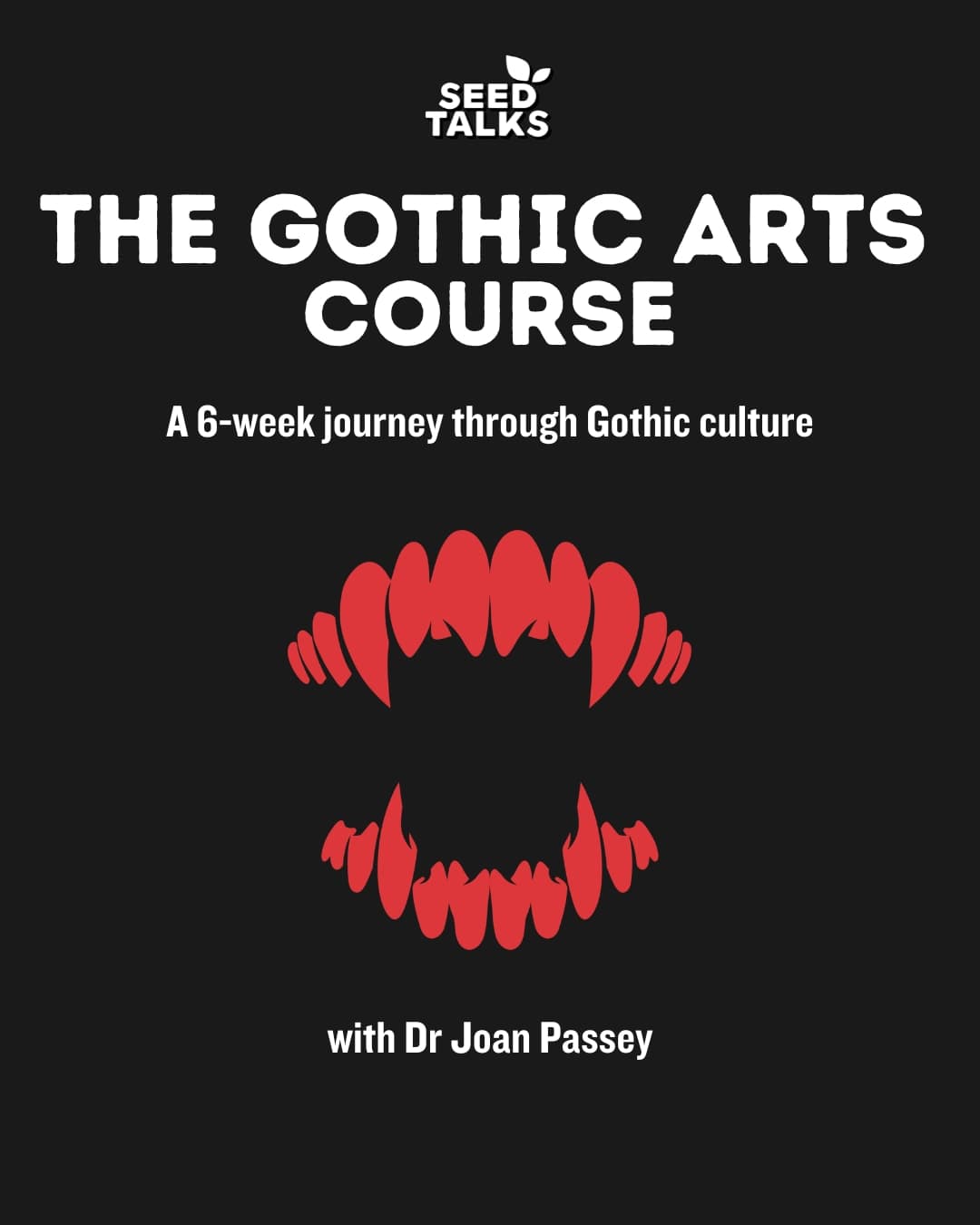
The Gothic Arts Course
On-demand course · 6 sessions

The Gothic Arts Course

with Dr Joan Passey

£60

  • ▶ All 6 sessions — over 10 hours of expert teaching, instantly by email.
  • 📂 Every session in one place, in your own private course hub.
  • ♾ Watch and rewatch as much as you like , until September 2027.
  • ↩ Full refund if it’s not for you — just ask.

About this course

What comes to mind when you think of the Gothic — stormy nights, mysterious monsters, towering castles? Born in 1764 with Horace Walpole’s The Castle of Otranto, and flourishing amid the anxieties of the French Revolution, the Gothic has reinvented itself for every age since — and with endless new Draculas and Frankensteins, many argue we’re living in a Gothic age once again. Across six sessions, Dr Joan Passey of the University of Bristol traces four centuries of Gothic literature, from Ann Radcliffe and Mary Shelley to Shirley Jackson and Toni Morrison, and follows it into fashion, music, cinema and more. This is the complete recording of the six-week live course, including the audience Q&A from every session, plus Joan’s slides. Witty, warm and formidably well read, Passey moves from Victorian mesmerists and sapphic vampires to Freud’s uncanny, goth subculture and folk horror. By the end, you’ll understand how the Gothic reflects society’s anxieties — and why it continues to captivate us.

Everything you get

  • All 6 sessions with Dr Joan Passey — over 10 hours of teaching, including the live audience Q&A
  • Joan’s slides for sessions 2–6 to download, including her Gothic reading list
  • Your own private course hub — every session in one place, on any device
  • Instant access by email after checkout — watch and rewatch until September 2027
  • Full refund if it’s not for you — just ask

The course, session by session

Dr Joan Passey — The Origins of the Gothic
Session 1

The Origins of the Gothic

with Dr Joan Passey

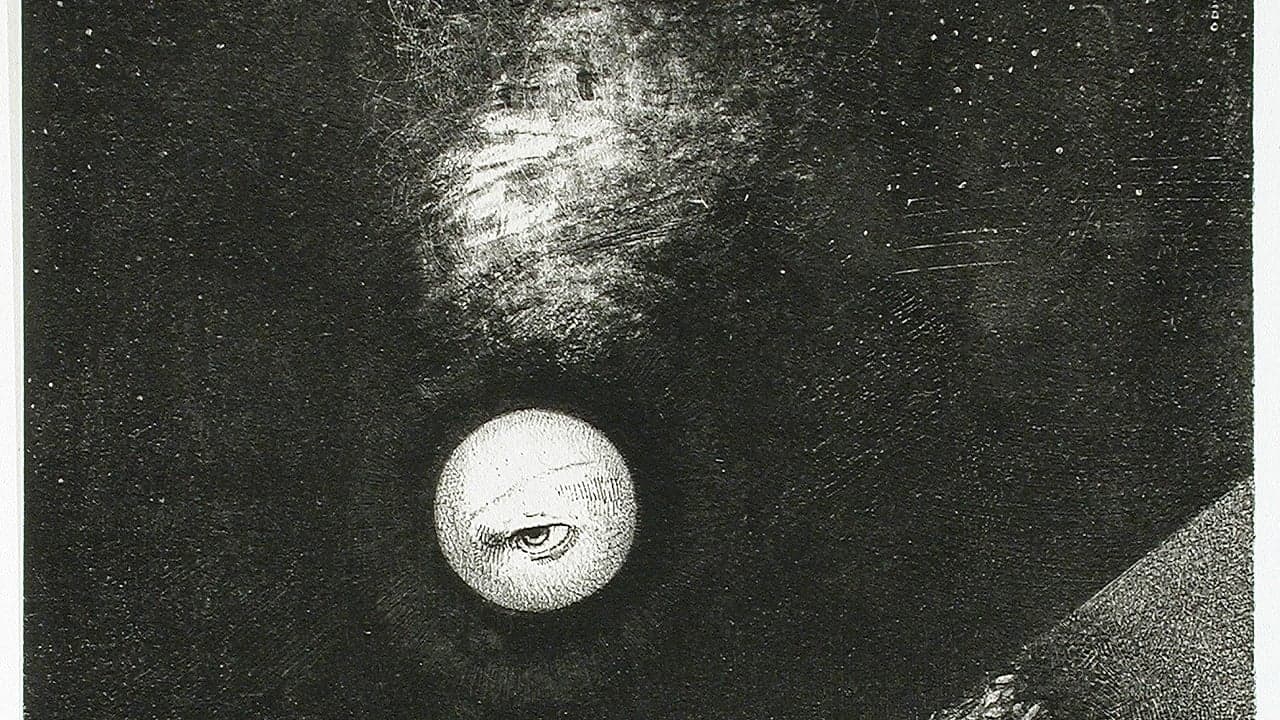
Dr Joan Passey opens the course by asking what on earth ‘Gothic’ means — a word that stretches from the tribes who sacked Rome to cathedral spires, The Cure and Netflix’s Wednesday. She unpacks Horace Walpole’s gloriously absurd The Castle of Otranto (1764), with its giant helmet falling from the sky and its fake ‘found manuscript’ preface, then turns to Ann Radcliffe, the ‘Mighty Enchantress’ who split fear into terror and horror, and the stormy, blood-soaked coastal sonnets of Charlotte Smith.

  • How a Roman insult for ‘barbarians’ became a genre
  • Why the first Gothic novel pretended to be a found manuscript
  • Ann Radcliffe’s crucial distinction between terror and horror
  • How Charlotte Smith’s poetry found horror on the English coast
Dr Joan Passey — The Gothic in the Victorian Era
Session 2

The Gothic in the Victorian Era

with Dr Joan Passey

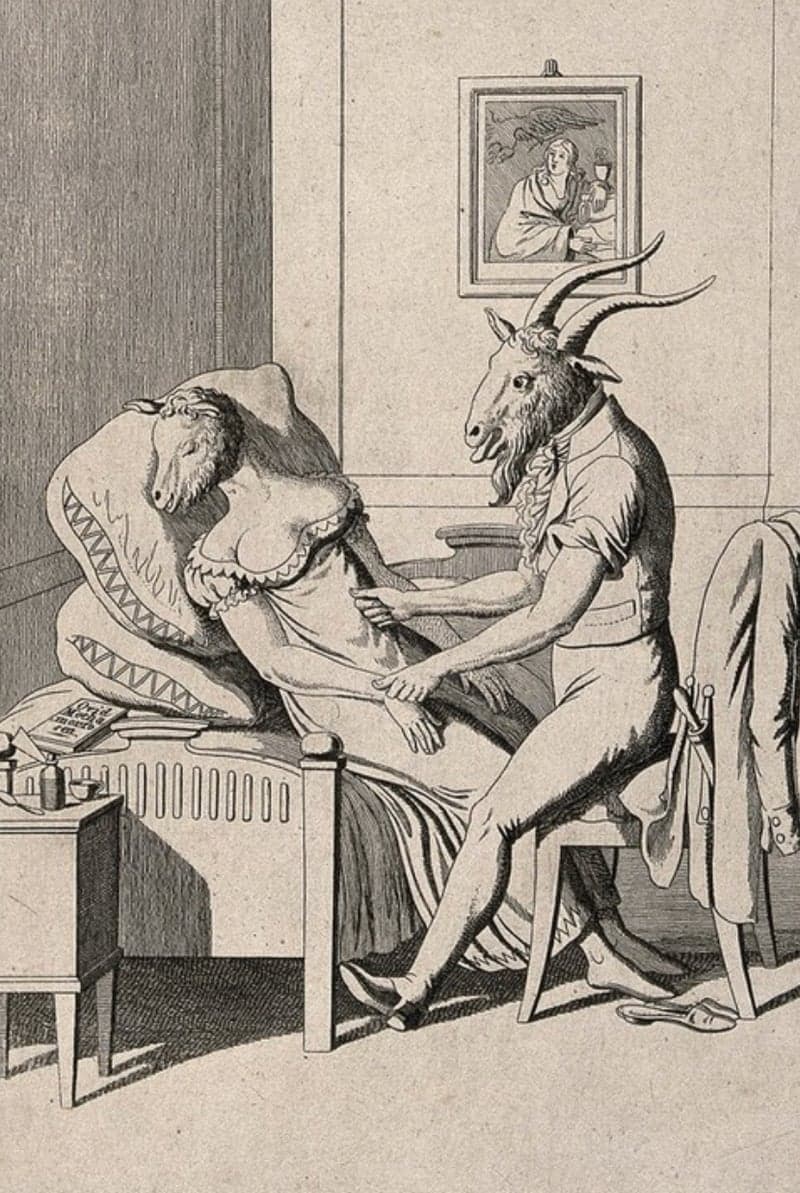
Passey turns to the High Victorian Gothic and the fears that fed it: penny dreadfuls blamed for rising crime, séances at Osborne House, and Dr John Elliotson’s mesmerism demonstrations on female patients — vouched for by Charles Dickens. Tracing phrenology, early blood transfusion and the birth of the mad scientist, she uncovers George Eliot’s little-known Gothic novella The Lifted Veil and offers several readings of Robert Louis Stevenson’s Strange Case of Dr Jekyll and Mr Hyde.

  • Why the Victorians blamed penny dreadfuls for a rise in crime
  • Mesmerism, séances and the Victorian science of the supernatural
  • How early blood transfusions fed the vampire imagination
  • Queer, evolutionary and extractivist readings of Jekyll and Hyde
Dr Joan Passey — Post-War Gothic
Session 3

Post-War Gothic

with Dr Joan Passey

Passey gives a lively crash course in the psychoanalysis that reshaped twentieth-century horror — Freud’s unconscious, repression and the uncanny (illustrated, unforgettably, with the film of Cats and The Polar Express) and Julia Kristeva’s theory of abjection — before mapping the American Gothic from Poe’s The Raven to Toni Morrison. At its heart is Shirley Jackson: The Lottery and McCarthyism, The Haunting of Hill House, and the feral young poisoner of We Have Always Lived in the Castle.

  • Freud’s uncanny explained — and why The Polar Express unsettles us
  • Kristeva’s abjection, or the horror of skin on custard
  • What makes the American Gothic different from the British
  • How Shirley Jackson’s The Lottery paved the way for folk horror
Dr Joan Passey — Vampires and Monsters
Session 4

Vampires and Monsters

with Dr Joan Passey

Passey digs up the vampire’s long history — from Lilith and the bloated revenants of Eastern European folklore to the eighteenth-century ‘vampire epidemic’ and modern theories of porphyria and rabies — and follows it through Coleridge’s Christabel, Le Fanu’s Carmilla and Florence Marryat’s overlooked The Blood of the Vampire (1897). She then returns to the Villa Diodati in 1816, the rain-soaked summer that gave us both Polidori’s The Vampyre and Mary Shelley’s Frankenstein.

  • Why folklore’s first vampires were bloated corpses, not seducers
  • The sapphic vampires of Christabel and Carmilla
  • How Polidori’s grudge against Byron created the sexy vampire
  • Reading Frankenstein through the life of Mary Wollstonecraft
Dr Joan Passey — Gothic, Gender and Sexuality
Session 5

Gothic, Gender and Sexuality

with Dr Joan Passey

Passey shows how gender and sexuality have shaped the Gothic from the very start: the ‘female Gothic’ of trapped heroines and tyrannical patriarchs, Bluebeard’s bloody chamber, Jane Eyre’s Bertha Mason, The Yellow Wallpaper and the Victorian diagnosis of hysteria. She then gives a lucid introduction to queer theory — from Eve Kosofsky Sedgwick to Judith Butler — and uses it to read Dorian Gray, Dracula, Frankenstein, Rebecca, The Turn of the Screw and M.R. James’s ‘Oh, Whistle, and I’ll Come to You, My Lad’ in a startling new light.

  • Why Bluebeard’s forbidden room haunts Jane Eyre and Rebecca
  • How Victorian diagnoses of hysteria fed the female Gothic
  • The key ideas of queer theory, clearly explained
  • Why Frankenstein became a powerful metaphor for trans experience
Dr Joan Passey — The Gothic in Contemporary Culture
Session 6

The Gothic in Contemporary Culture

with Dr Joan Passey

In the final session Passey returns to the course’s big question — what is the Gothic? — and follows it off the page: into goth subculture, The Cure and Nick Cave, Alexander McQueen and the Met Gala, Get Out and the boom in folk horror, and the new cannibal, fungal and digital Gothics. Along the way, Ursula K. Le Guin skewers literary snobbery with a zombie, and Joan closes with a reading list and practical prompts for anyone who wants to write Gothic fiction of their own.

  • What goth music, fashion and subculture inherit from Gothic fiction
  • Why cannibals, fungi and the internet are today’s Gothic monsters
  • How folk horror punctures our nostalgia for the countryside
  • Practical prompts for writing your own Gothic fiction

A peek inside

The Gothic Arts Course — preview 2

Your speakers

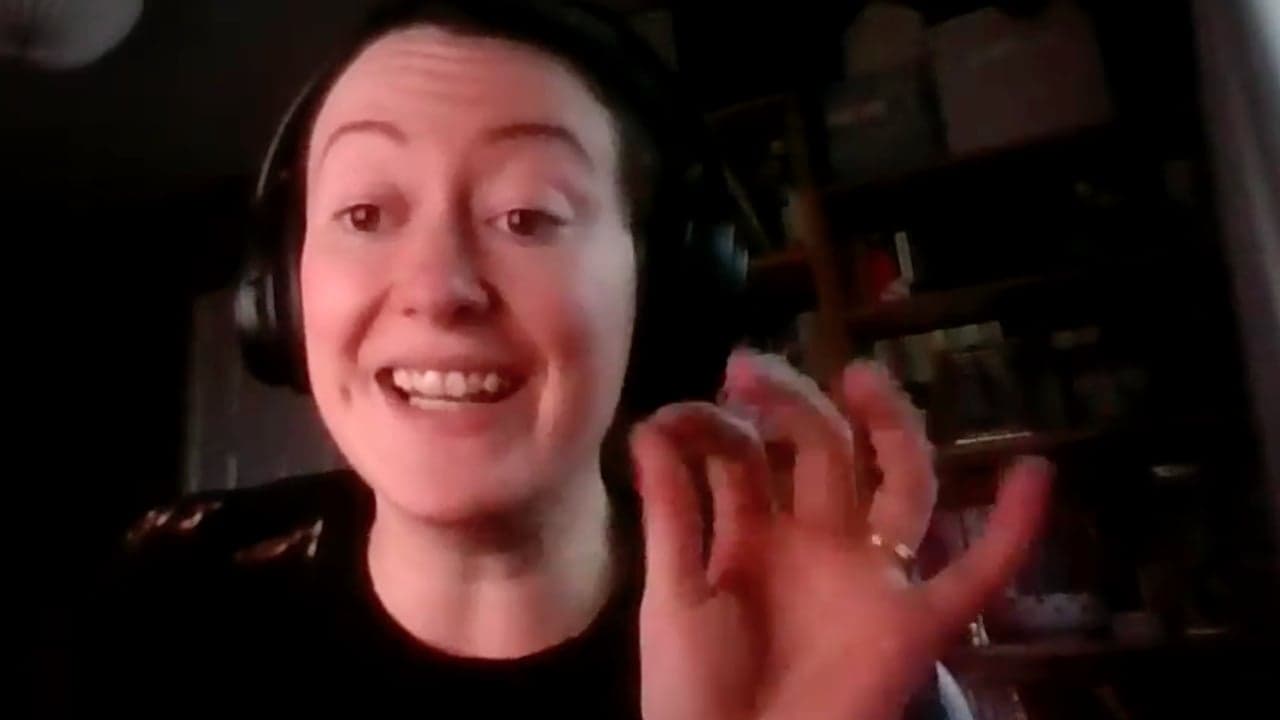
Dr Joan Passey

Dr Joan Passey

Senior Lecturer in English, University of Bristol

Dr Joan Passey is a Senior Lecturer in English at the University of Bristol, where she specialises in the Gothic, horror and folklore in literature and culture. She has a Masters from the University of Oxford and a PhD from the University of Exeter, both focusing on the Gothic and the supernatural. She is a BBC/AHRC New Generation Thinker, regularly contributes to and presents for BBC Radio 3, and has spoken at Hay Festival and from the BBC Proms. She edits anthologies for the British Library Tales of the Weird series, including Cornish Horrors: Tales from the Land’s End, Our Haunted Shores: Tales from the Coasts of the British Isles, and Phantoms of Kernow: Tales from Haunted Cornwall. Her monograph, Cornish Gothic, 1830–1913 (University of Wales Press, 2023), was the first to define a Cornish Gothic tradition in the nineteenth century, and she co-edited Shirley Jackson’s Dark Tales: Reconsidering the Short Fiction (Bloomsbury, 2024) with Robert Lloyd.

Common questions

How do I watch the course?

As soon as your payment goes through, we email you a personal link to your private course hub — all six sessions and Joan’s slides in one place. It works on any device with a browser, and there’s no account or password to set up.

How long do I have access?

You can watch and rewatch as much as you like until September 2027 — plenty of time to take the course at your own pace, whether you binge all six sessions in a weekend or take one a week, like the live cohort did.

Is this live? Do I need to show up at set times?

No — these are the full recordings of the complete six-session course Dr Joan Passey ran live in spring 2026, including the audience Q&A from every session. Watch whenever suits you.

Do I get slides or handouts?

Yes — Joan’s slides for sessions 2–6 are on your course hub to download, and the final session’s deck includes her Gothic reading list. The slides for session 1 aren’t available separately, but Joan presents them on screen throughout the recording, so you won’t miss a thing.

What if it’s not for me?

We offer a full, no-quibble refund — just ask. If the course isn’t what you hoped for, reply to your receipt and we’ll sort it, no questions asked.

Who is this course for?

Anyone drawn to Gothic novels, horror films, ghost stories or goth culture — from lifelong fans to the simply curious, and writers looking for inspiration. No prior knowledge is needed; Dr Passey makes serious scholarship a genuine pleasure to listen to.

Ready to start? All 6 sessions, instantly — £60.