← All recordings & courses
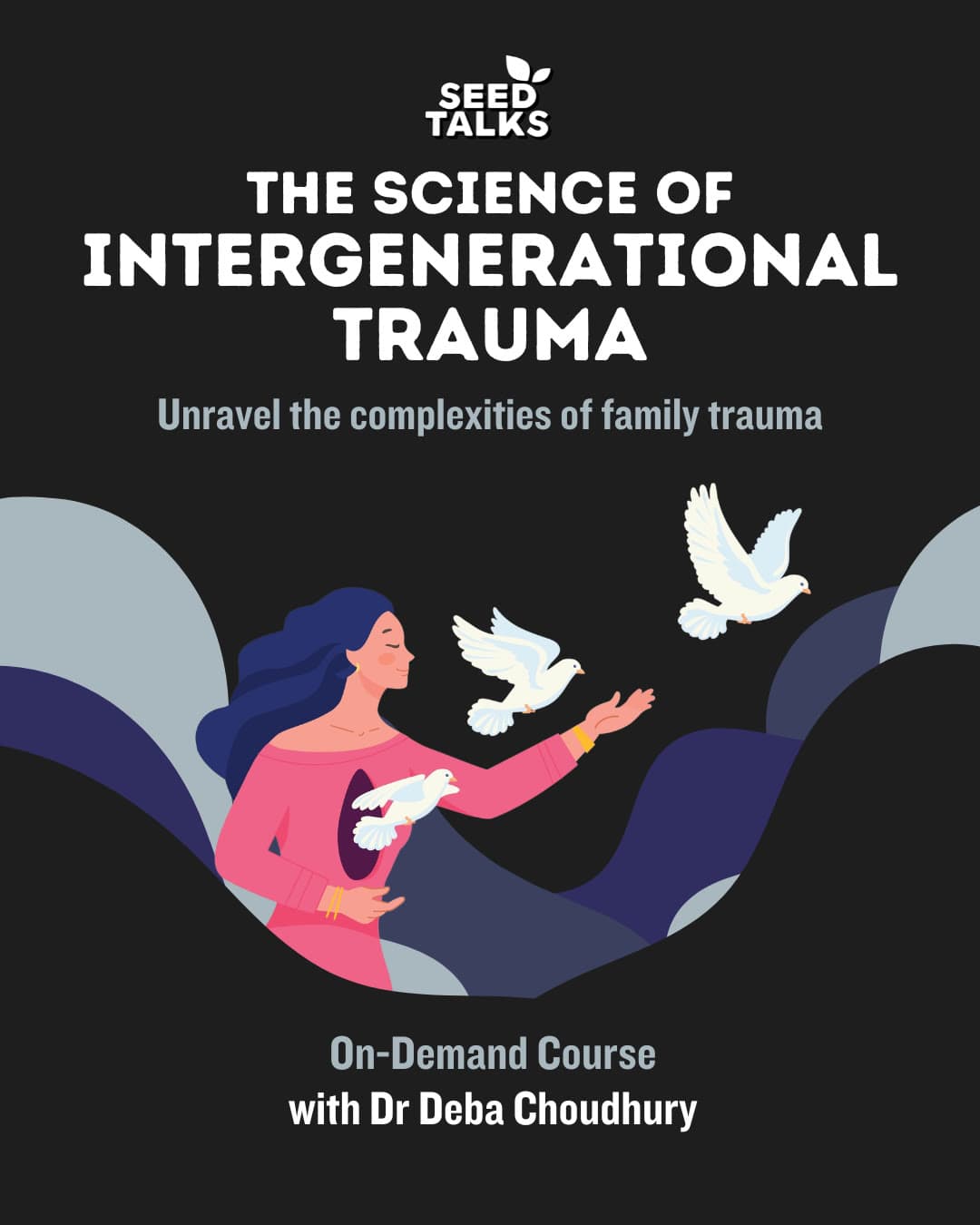
The Science of Intergenerational Trauma
On-demand video course · 5 modules

The Science of Intergenerational Trauma

with Dr Deba Choudhury

£60

  • ▶ 5 modules
  • 6½ hours of video
  • Instant access
  • Yours until Sep 2027
  • Full refund guarantee

About this course

Experiences shape you, even ones that aren’t your own. In this on-demand course, clinical psychologist Dr Deba Choudhury explores how trauma experienced by parents, grandparents and earlier generations can leave a lasting imprint on our minds and bodies — and how to begin breaking the cycle. Across five modules of short lessons — around six and a half hours in all — Deba explains what intergenerational trauma is, its symptoms, and the neuroscience and epigenetics of how it’s passed down, then turns to practical, therapy-informed skills: building insight and stabilisation, and managing the unhelpful behaviours, thoughts and emotions that trauma can leave behind, with guided exercises and case studies throughout.

Everything you get

  • 5 modules with Dr Deba Choudhury — over 6 hours of teaching, in 35 short lessons
  • Guided exercises throughout, from mindful breathing and grounding to imagery and compassion work
  • A full transcript of every lesson, so you can read along or look back over anything
  • Your own private course hub — every lesson in one place, on any device
  • Instant access by email after checkout — watch and rewatch until September 2027
  • Full refund if it’s not for you — just ask

The course, module by module

Dr Deba Choudhury — Understanding Intergenerational Trauma
Module 1

Understanding Intergenerational Trauma

with Dr Deba Choudhury

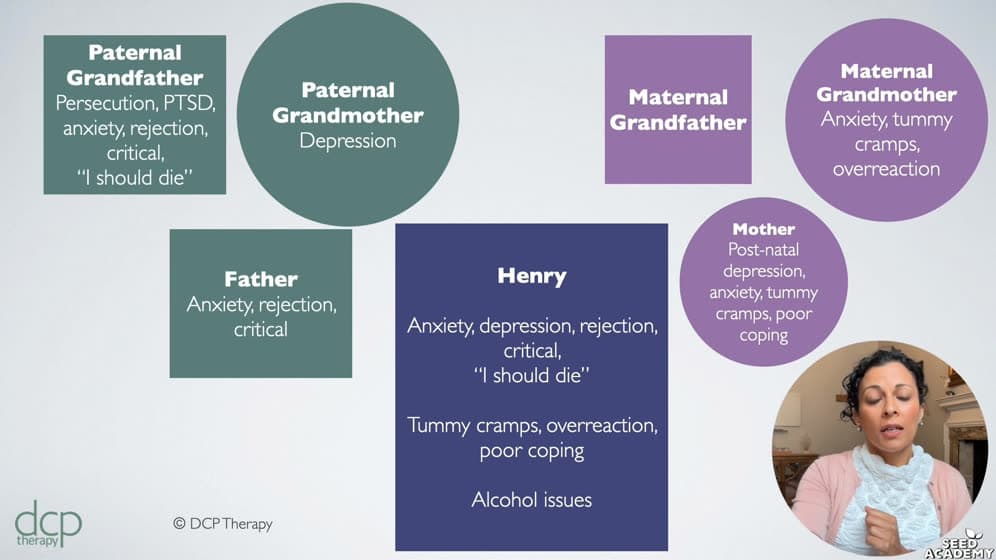
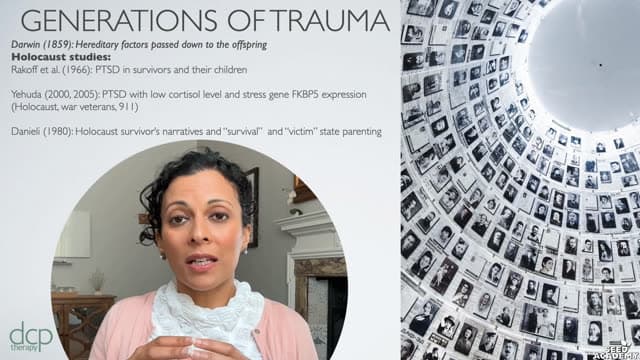
Deba defines trauma, from “big T” to “little t”, and how it differs from stress, then sets out the symptoms of PTSD and complex PTSD and the signs to look for when trauma runs in a family. She walks through the research — from Holocaust survivor studies and Rachel Yehuda’s work on cortisol to the Dutch famine — alongside the neuroscience of the vagus nerve and the developing brain, and the epigenetics of how trauma can leave its mark across three generations. A case study and a mindful breathing exercise bring it home.

  • What trauma is, and how it differs from stress
  • The symptoms of PTSD, complex PTSD and intergenerational trauma
  • The research showing how trauma passes between generations
  • How epigenetics and the nervous system carry the past
Dr Deba Choudhury — Building Insight & Stabilisation
Module 2

Building Insight & Stabilisation

with Dr Deba Choudhury

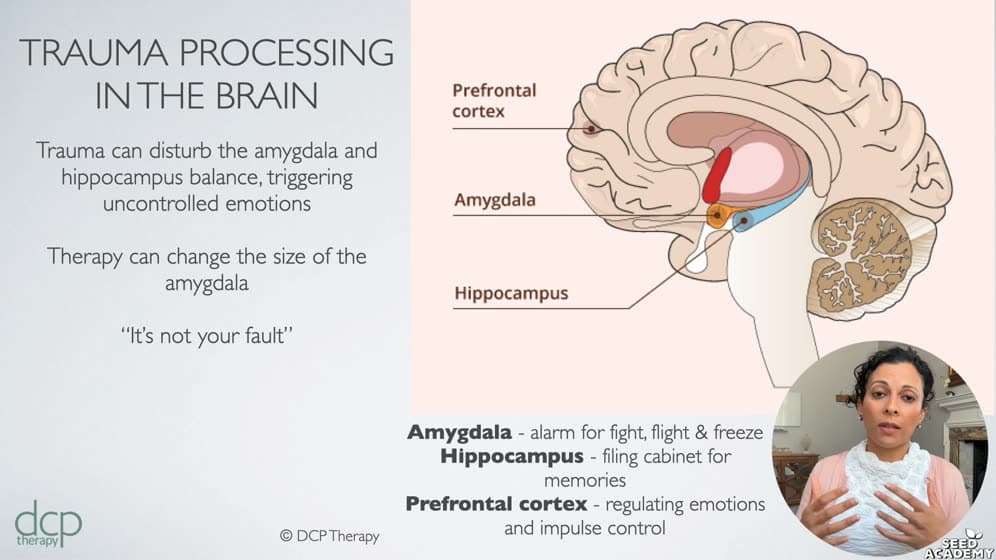
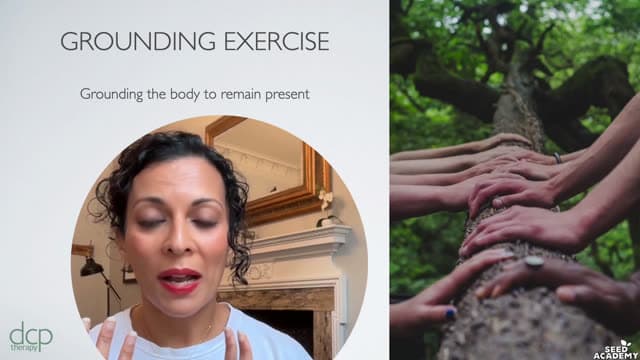
Before any deeper work comes stabilisation. Deba guides you through reflective questions about your own story and your family’s, and explains what triggers are, what happens in the brain when we’re triggered, and why they’re part of healing. She then teaches the skills that keep you steady — self-care through diet, movement, sleep and routine; grounding in the here and now, with a guided exercise; and self-soothing through breathing, connection and play.

  • Reflective questions to make sense of your family’s story
  • What triggers are, and why they matter for healing
  • Self-care foundations: gut health, sleep, movement and routine
  • Grounding and self-soothing techniques, with guided practice
Dr Deba Choudhury — Managing Unhelpful Behaviours
Module 3

Managing Unhelpful Behaviours

with Dr Deba Choudhury

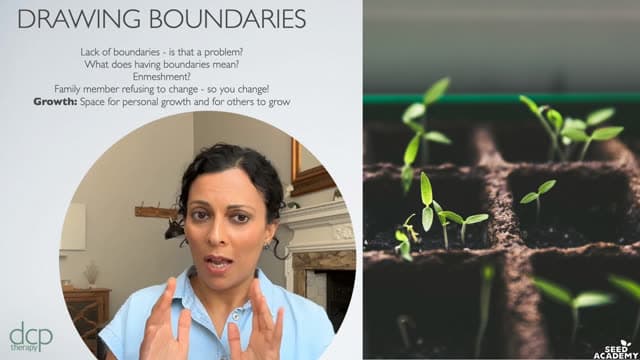
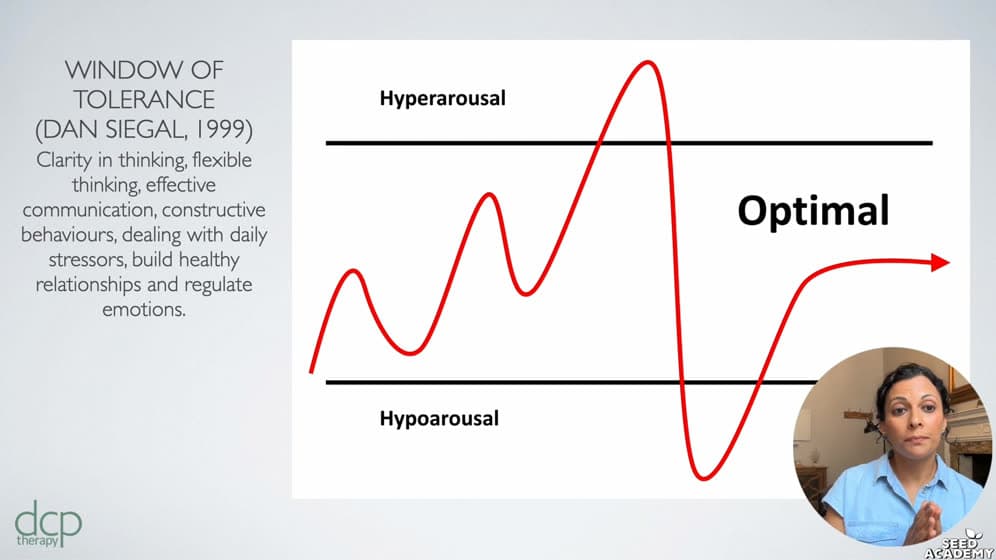
Deba explains where our behaviours come from, using the polyvagal ladder and Dan Siegel’s window of tolerance, then shows how to map problems and triggers with a CBT diary and a “hot cross bun” formulation. From there it’s practical: behavioural activation, challenging avoidance and other unhelpful patterns, the cycle of change, problem-solving and behavioural experiments — ending with healthy boundaries and ways to connect with family, living and past.

  • How the nervous system shapes what we do
  • Formulating your problems with CBT tools
  • Behavioural activation, problem-solving and behavioural experiments
  • Drawing healthy boundaries without building walls
Dr Deba Choudhury — Managing Unhelpful Thoughts
Module 4

Managing Unhelpful Thoughts

with Dr Deba Choudhury

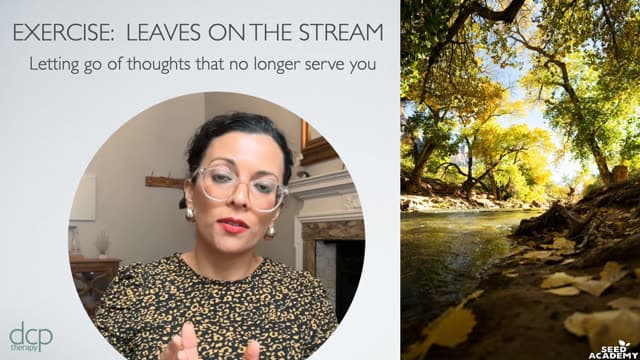
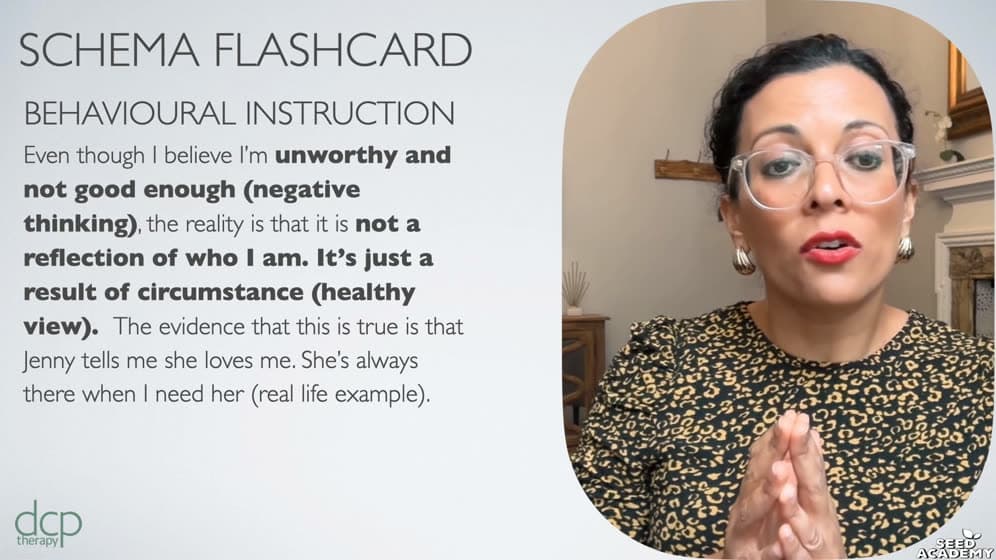
This module turns to thinking: the neuroscience of cognition, common unhelpful thinking styles such as catastrophising and “shoulds and musts”, and the family messages and beliefs we may be carrying without realising they aren’t ours. Deba teaches CBT thought challenging, the responsibility pie, a Leaves on the Stream imagery exercise and more, and closes with a new case study showing how schema therapy flashcards work.

  • Spotting unhelpful thinking styles in yourself
  • Telling apart your beliefs and your family’s
  • CBT thought challenging and imagery techniques
  • How schema flashcards help update an old stress response
Dr Deba Choudhury — Managing Unhelpful Emotions
Module 5

Managing Unhelpful Emotions

with Dr Deba Choudhury

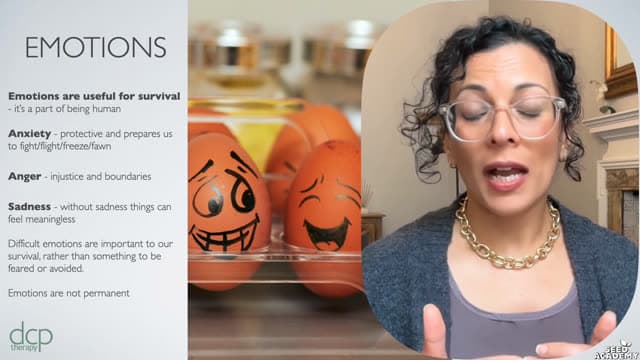
The final module explores emotions — why anxiety, anger and sadness exist, how an old, inherited wound can be reactivated, and what keeps difficult feelings going. Deba teaches distress tolerance (“you’ve got to feel it to heal it”), draws on Ed Tronick’s still face experiment, and gives a step-by-step approach to emotional distress, with guided exercises in mindfulness and compassion, including a “perfect nurturer” visualisation.

  • Why difficult emotions are useful, and never permanent
  • How inherited wounds get triggered again
  • Distress tolerance: staying with feelings rather than fighting them
  • Compassion-focused exercises for emotional healing

A peek inside

The Science of Intergenerational Trauma — preview 1
The Science of Intergenerational Trauma — preview 2
The Science of Intergenerational Trauma — preview 3
The Science of Intergenerational Trauma — preview 4

Your speakers

Dr Deba Choudhury

Dr Deba Choudhury

Chartered Clinical Psychologist, founder of DCP Therapy

Dr Deba Choudhury is a Chartered Clinical Psychologist with over 20 years of clinical experience and founder of DCP Therapy in London and Surrey. She specialises in trauma: her interest began in the NHS, working with patients with severe and enduring mental illness whose stories of what had happened to them — and to their families — led her to see trauma as historical, cultural and intergenerational. Taking a tailored, holistic approach, she draws on Cognitive-Behavioural Therapy, Experiential Dynamic Therapies and Schema Therapy. Formerly at the Institute of Psychotrauma and The Royal London Hospital’s Maxillofacial Trauma Surgery Team, she has published and presented internationally on trauma and psychology.

Common questions

How do I watch the course?

As soon as your payment goes through, we email you a personal link to your private course hub — every lesson, with a transcript alongside, in one place. It works on any device with a browser, and there’s no account or password to set up.

How long do I have access?

You can watch and rewatch as much as you like until September 2027 — plenty of time to take the course at your own pace.

Is this live? Do I need to show up at set times?

No — the course was filmed as short lessons, mostly 5–20 minutes each, so you can watch whenever suits you. Your place in each video is remembered, so you can stop and pick up where you left off.

Could the course bring up difficult feelings?

It might — it deals with trauma, and includes case studies and a few film clips that some people find upsetting. Deba builds in stabilisation skills early on and encourages you to pause and go at your own pace. If you’re struggling, please reach out to your GP or a therapist; Samaritans are available free, any time, on 116 123.

Is this therapy?

No. The course is educational, taught by a practising clinical psychologist, and many of its exercises come from therapy — but it isn’t a substitute for individual support. If you’re working through your own trauma, it can be a helpful companion to therapy rather than a replacement for it.

What if it’s not for me?

We offer a full, no-quibble refund — just ask. If the course isn’t what you hoped for, reply to your receipt and we’ll sort it, no questions asked.

Who is this course for?

Anyone who wants to understand how family history shapes them — whether you’re exploring patterns in your own family, supporting someone who is, or work with clients and want to understand intergenerational trauma better. No prior knowledge is needed.

Ready to start? All 5 modules, instantly — £60.