← All recordings & courses
Living with AuDHD: An 8-week expert-led course
On-demand course · 8 sessions

Living with AuDHD: An 8-week expert-led course

with 5 leading AuDHD specialists

£65

Live attendees paid £90–£100 for this course — the full recording is £65.

  • ▶ All 8 sessions — over 16 hours of expert teaching, instantly by email.
  • 📂 Slides, workbooks and resources in your private course hub.
  • ♾ Watch and rewatch as much as you like , until April 2027.
  • ↩ Full refund if it’s not for you — just ask.

About this course

From diagnosis to daily life — everything you need to truly understand AuDHD. Whether you’ve recently received an AuDHD diagnosis, are still navigating the diagnostic journey, or simply want to understand this complex and often misunderstood combination of autism and ADHD, this course is a rare chance to learn from five of the UK’s leading specialists in one place. Across eight sessions you’ll move from the foundational science of AuDHD through to practical, everyday strategies — covering everything from sensory processing and emotional regulation to relationships, burnout and post-diagnosis identity. Each week builds meaningfully on the last, combining cutting-edge neuroscience with real, applicable insight for daily life — and every session includes the live audience Q&A.

Everything you get

  • All 8 expert-led sessions — over 16 hours of teaching, including live audience Q&A
  • Downloadable slides, workbooks and resources for the sessions
  • Your own private course hub — everything in one place, on any device
  • Instant access by email after checkout — no account or password needed
  • Watch and rewatch as much as you like, until April 2027
  • Optional personalised CPD certificate (16 CPD hours)
  • Full refund if it’s not for you — just ask

The course, session by session

Dr Tom Nicholson — The Science of AuDHD
Session 1

The Science of AuDHD

with Dr Tom Nicholson

Dr Tom Nicholson lays the foundations for the whole course: what an ADHD diagnosis actually looks for, what an autism diagnosis actually looks for, and what happens when the two intersect. He explains why the two conditions couldn’t officially be diagnosed together until 2013 — and why AuDHD research is still in its infancy — while reframing traits as ‘contextual strengths’ that can help in one setting and disable in another. He closes with his own story of being diagnosed with ADHD at five, told through his real school report cards.

  • What ADHD and autism diagnoses actually look for
  • Why ADHD and autism couldn’t be co-diagnosed before 2013
  • Contextual strengths: how one trait helps and hinders
  • Why autistic traits often surface after starting ADHD medication
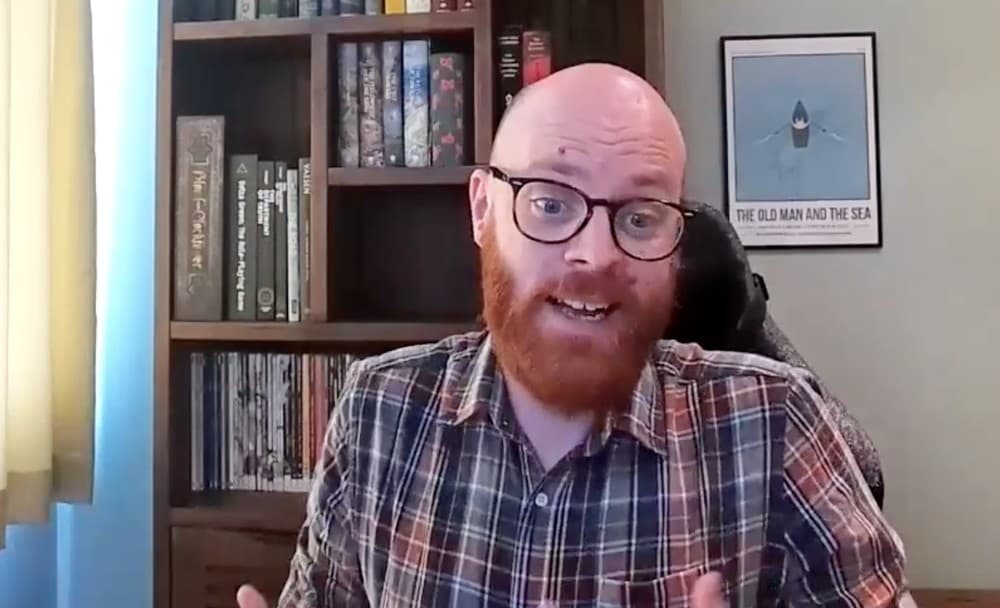
Dr Tom Nicholson — The Neurodevelopmental Diagnostic Journey
Session 2

The Neurodevelopmental Diagnostic Journey

with Dr Tom Nicholson

Drawing on his years working inside an NHS ADHD and autism assessment service, Dr Tom Nicholson walks through the diagnostic journey from both sides of the curtain: first steps and screeners, honest conversations with your GP, and the realities of NHS, private and Right to Choose pathways. He breaks down what a thorough assessment should include — developmental history, DIVA, ADOS, QB tests — and how decisions actually get made. The session ends with the part rarely discussed: post-diagnosis grief, validation and identity work, and what to do if the answer is no.

  • NHS, private and Right to Choose pathways compared honestly
  • What a thorough assessment includes, from DIVA to ADOS
  • How to prepare: screeners, GP conversations, childhood evidence
  • Life after the result — validation, grief, hearing no
Dr Lauren Breese — Understanding Individual Needs & Mapping These Out
Session 3

Understanding Individual Needs & Mapping These Out

with Dr Lauren Breese

Clinical psychologist Dr Lauren Breese introduces her ‘needs wheel’ — a practical framework for mapping your needs across four areas: connection, internal experiences, physical regulation and basic needs. Because autistic and ADHD traits are constantly interacting (‘who’s in the driving seat?’), many AuDHDers have spent years minimising needs they couldn’t name — a path to burnout, meltdowns and conflict. This session walks you through noticing your needs, giving yourself permission to have them, and starting to meet them, with a downloadable needs wheel to keep working with afterwards.

  • A three-step process: notice your needs, allow them, meet them
  • Map communication, sensory, rest and basic needs with the needs wheel
  • Why routine calms your autistic side while your ADHD craves novelty
  • Which ‘typical’ expectations — from small talk to shared beds — to drop
Dr Lauren Breese — Practical Emotional Regulation Strategies
Session 4

Practical Emotional Regulation Strategies

with Dr Lauren Breese

Dr Lauren Breese explains why emotions can feel so much bigger and more sudden for AuDHDers — from alexithymia and interoception differences to a lifetime of ‘rocks in the bucket’ — then busts common myths, including the idea that regulation means staying calm. The heart of the session is building your own soothing toolkit: energy accounting, sensory grab bags, body-based skills like box breathing and the dive reflex, and a neurodivergent-friendly take on mindfulness. It closes with self-compassion and how to repair relationships after you inevitably lose your cool.

  • The distress bucket: why overwhelm seems to arrive out of nowhere
  • Energy accounting — tracking your daily drainers and rechargers
  • Body-based calming skills: box breathing, cold water, the vagus nerve
  • Neurodivergent-friendly mindfulness, and repairing after losing your cool
Dr Emma Craddock — Post-Diagnosis Acceptance
Session 5

Post-Diagnosis Acceptance

with Dr Emma Craddock

Opening with her own late-diagnosis story, Dr Emma Craddock explores what happens after you get the label: the messy, non-linear work of making sense of your life through a new lens. Drawing on her research with late-diagnosed AuDHD women, she covers the ‘diagnostic aftershock’ of relief, grief, anger and imposter feelings, and shows how ‘reauthoring’ your story can replace shame with self-understanding. You’ll leave with practical journaling prompts and a kinder framework for the road after diagnosis.

  • Why relief, grief and anger often arrive together after diagnosis
  • Rewriting old stories: from ‘I’m lazy’ to ‘transitions are genuinely effortful’
  • What you’re allowed to stop calling a personal failure
  • Unmasking, accommodations and finding affirming community around you
Heather Darwall-Smith — Sensory Overload & Sleep in AuDHD
Session 6

Sensory Overload & Sleep in AuDHD

with Heather Darwall-Smith

Psychotherapist and sleep specialist Heather Darwall-Smith explains why sleep in AuDHD isn’t a willpower problem: body clocks, sleep pressure, interoception and a nervous system carrying the whole day’s sensory load all shape whether you can let go at night. She unpacks the autistic–ADHD ‘push-pull’ between routine and novelty that standard sleep hygiene ignores, then shares what actually helps, from consistent wake times and light to weighted blankets, movement and sensory-friendly wind-downs. Warm, practical and refreshingly free of generic 8-hours-a-night advice.

  • How body clocks and sleep pressure create your natural sleep windows
  • Why most ADHDers are night owls, and what helps
  • Sensory tools for settling: light, weight, texture, sound, movement
  • Releasing nervous-system pressure through the day, not just at bedtime
Prof James Brown — AuDHD & Relationships
Session 7

AuDHD & Relationships

with Prof James Brown

Prof James Brown blends research with candid stories from his own neurodivergent marriage to unpack how AuDHD shapes communication, conflict, domestic life and intimacy. He reframes behaviours that partners often take personally — withdrawal, forgetting, changing plans, info dumping — as competing neurological needs rather than character flaws or lack of love. The session closes with practical accommodations that build safety and connection without shame or blame.

  • Why relationship conflict is often neurological, not personal
  • Rejection sensitivity (RSD) and the trigger–shame–defensiveness cycle
  • Info dumping, parallel play and neurodivergent love languages
  • Practical tools: explicit communication, shared systems, regulating first
Prof James Brown — AuDHD & Burnout
Session 8

AuDHD & Burnout

with Prof James Brown

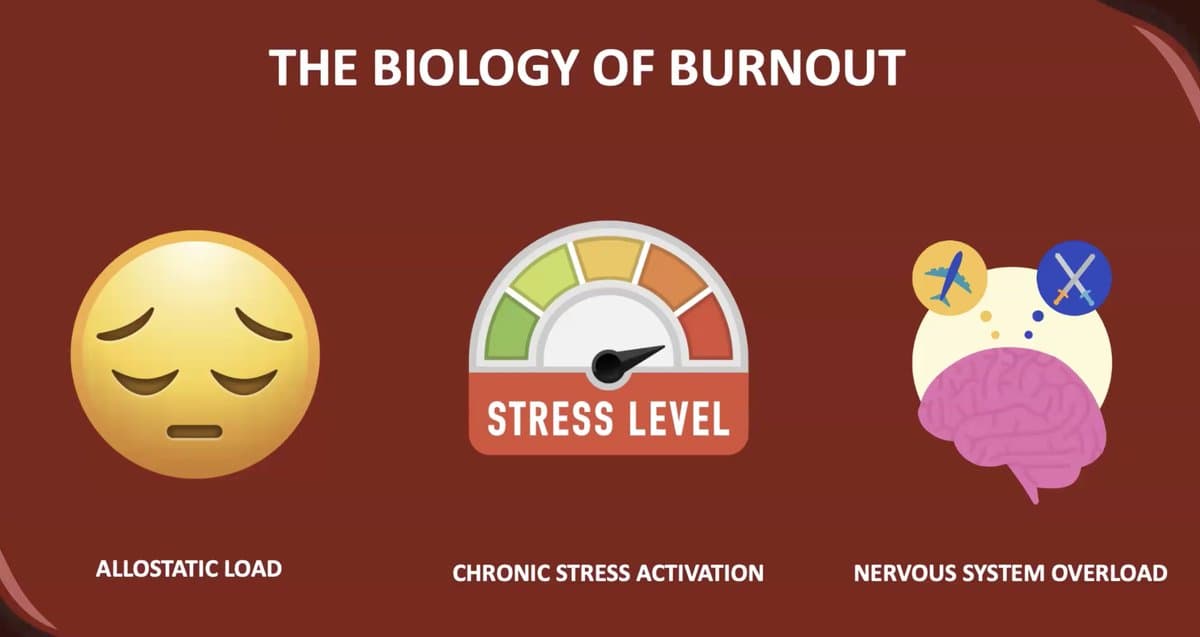
Drawing on his scientific background and his own experience of repeated burnout, Prof James Brown explains why AuDHD burnout is a whole-system shutdown that goes far beyond the standard work-stress definition — and why it so often goes unrecognised by doctors. He walks through the biology of chronic stress, double masking and sensory overload, then shifts to what actually helps: proactive prevention and a realistic, staged approach to recovery.

  • Why AuDHD burnout goes far beyond the workplace definition
  • The biology of burnout: chronic stress, masking and sensory load
  • Seven proactive behaviours that reduce your burnout risk
  • Recovery tools: the recovery floor, energy accounting, the 70% rule

A peek inside

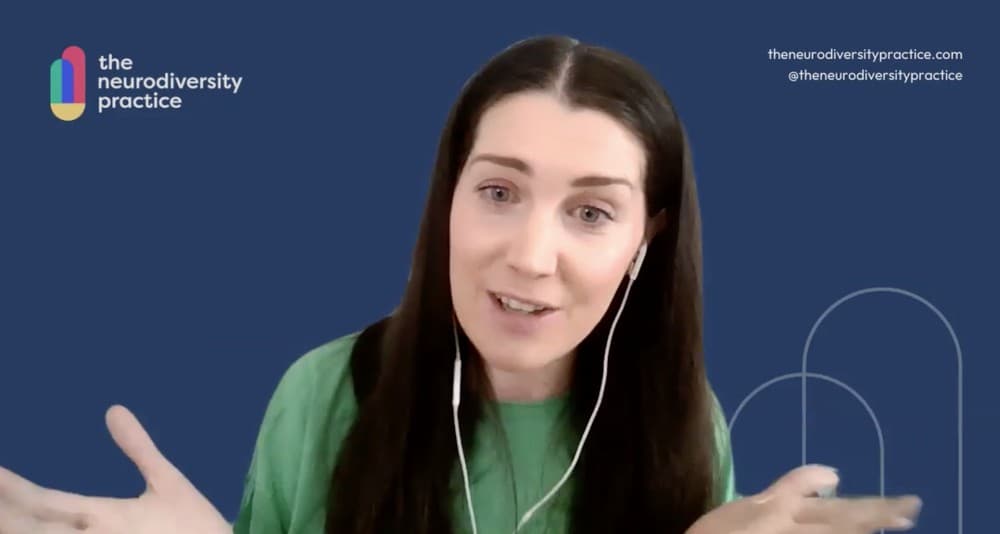
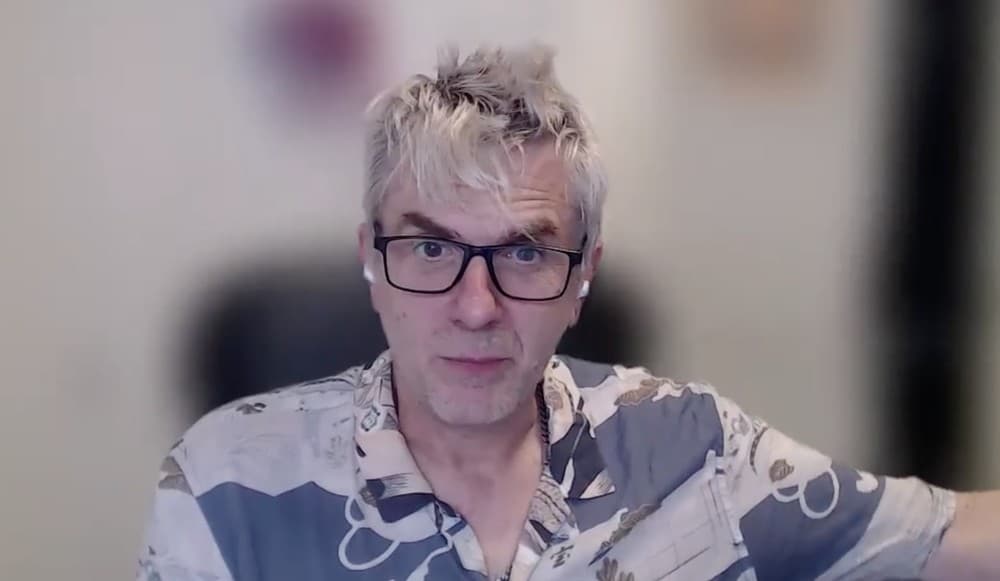
Living with AuDHD: An 8-week expert-led course — preview 1
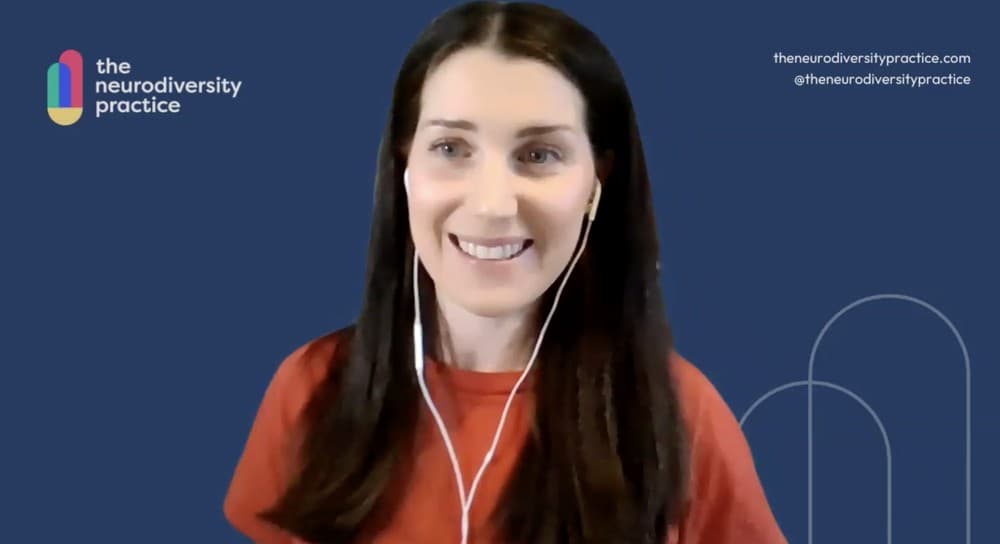
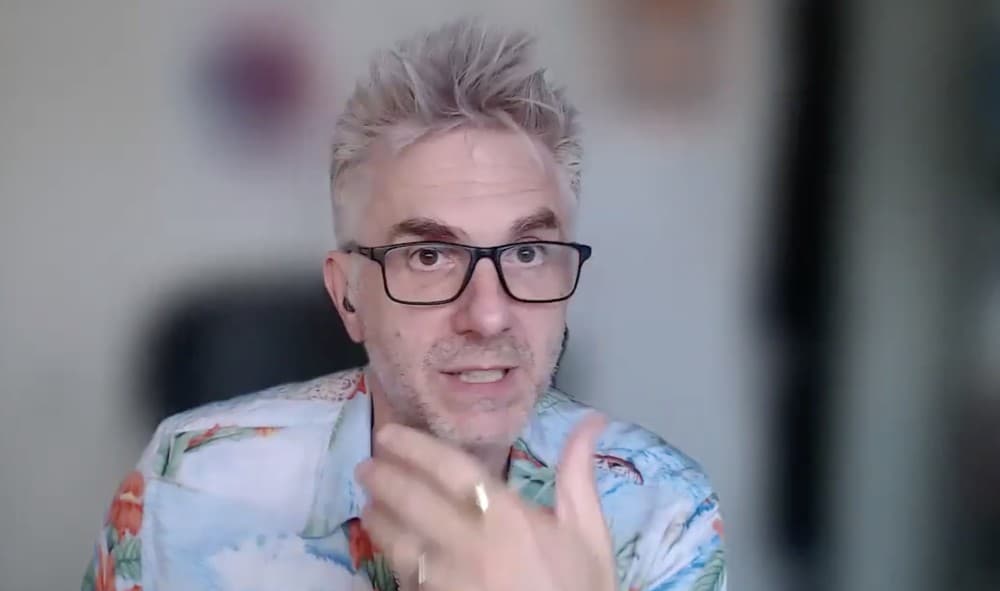
Living with AuDHD: An 8-week expert-led course — preview 2
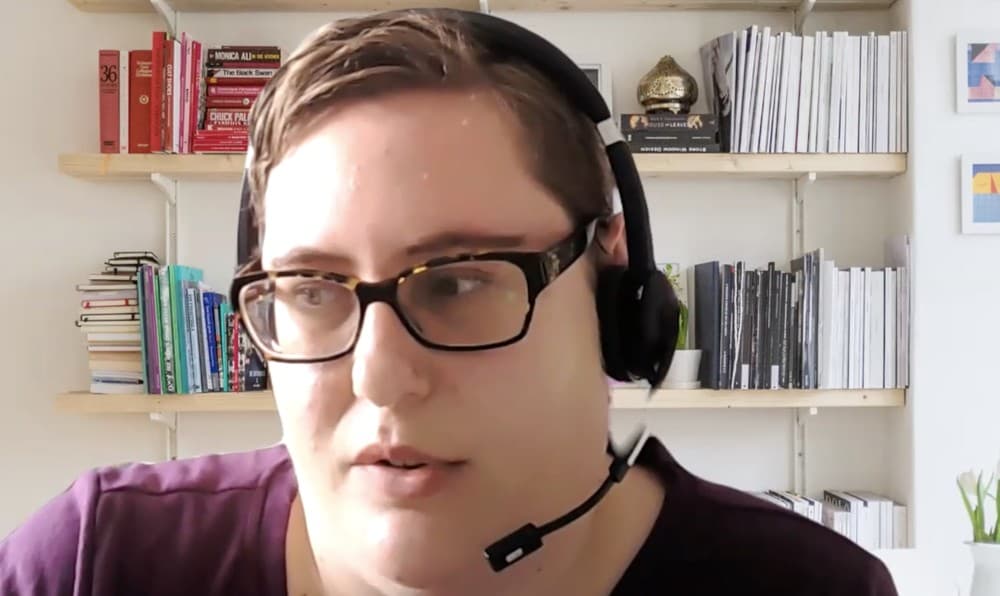
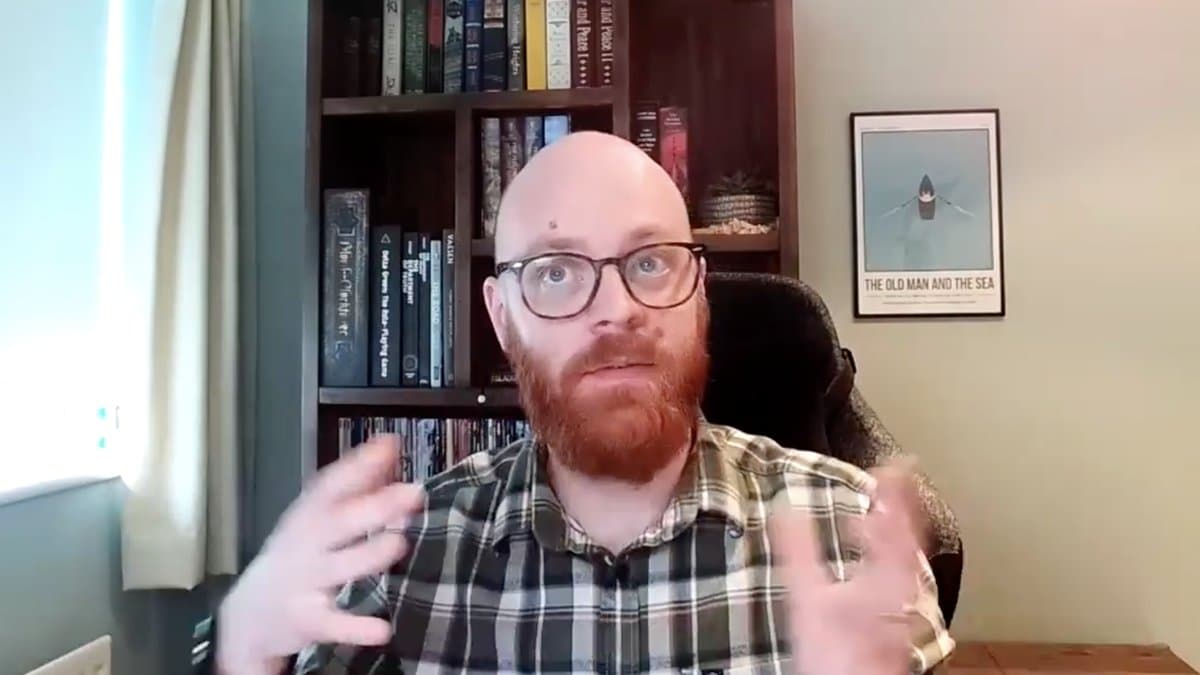
Living with AuDHD: An 8-week expert-led course — preview 3
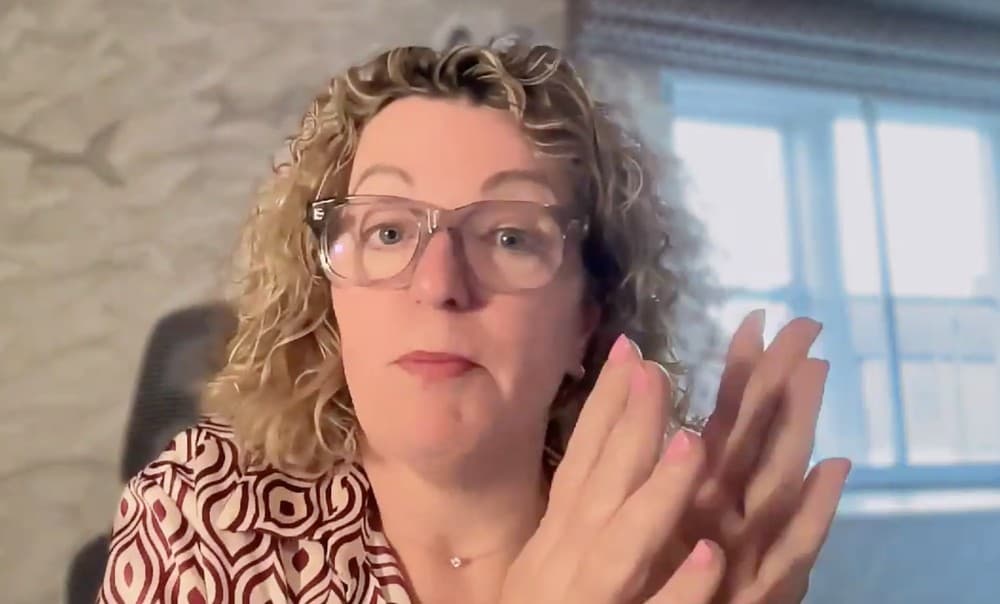
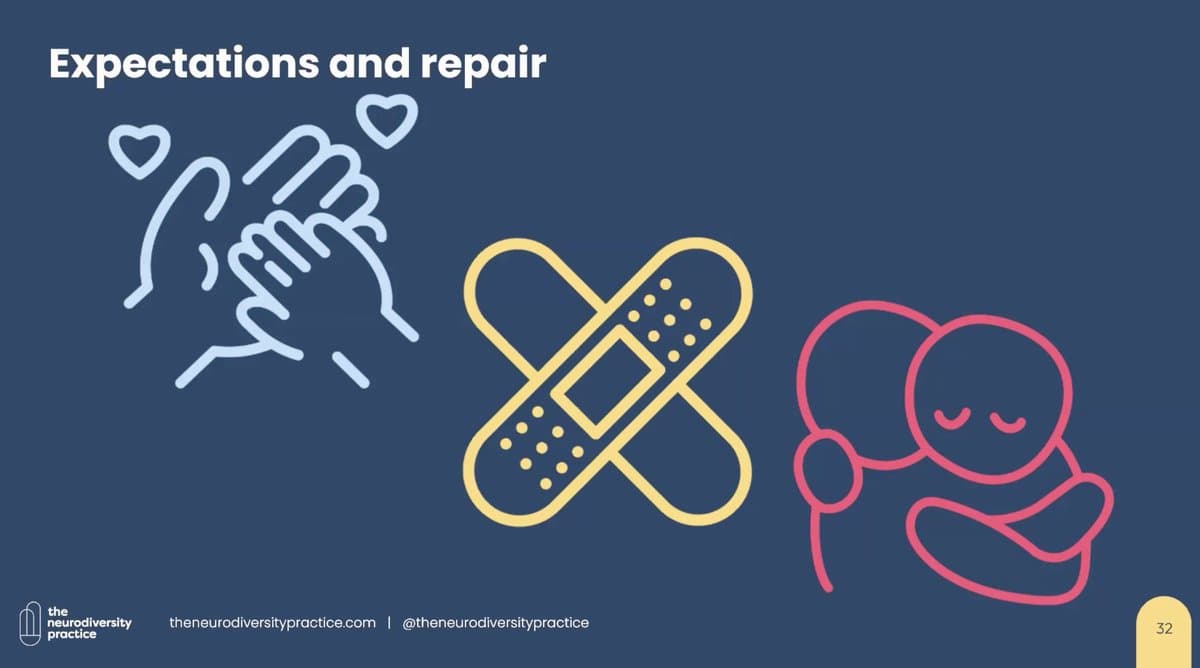
Living with AuDHD: An 8-week expert-led course — preview 4

Your speakers

Dr Tom Nicholson

Assistant Professor of Mental Health Nursing

Dr Tom Nicholson is an Assistant Professor of mental health nursing and a speaker, trainer and advocate for neurodiversity and ADHD. His PhD explored the lived experiences of parents whose children are undergoing ADHD assessment — from waiting list, to diagnosis, to living with a diagnosis. Diagnosed with ADHD in childhood, Tom combines personal lived experience with his clinical and academic background to bring a multitude of perspectives to his work.

Dr Lauren Breese

Clinical Psychologist

Dr Lauren Breese is a Clinical Psychologist with over fourteen years’ experience supporting neurodivergent adults as a therapist, diagnostician, university lecturer and published researcher. Through AND (Adult NeuroDiversity) Psychology she offers neuroaffirmative assessments for autism, ADHD and AuDHD, and post-diagnostic therapy. She co-founded The Neurodiversity Practice and is committed to working with those whose neurodivergence has been missed — people who mask, camouflage, or discover their neurodivergence later in life.

Dr Emma Craddock

Senior Lecturer in Health Research

Dr Emma Craddock is a Senior Lecturer in Health Research at Birmingham City University and Co-Editor of the academic journal Health. As a late-diagnosed AuDHD woman, she conducted the first study exploring women’s experiences of adulthood AuDHD diagnoses. Her research on gendered health inequalities has shaped policy debates and featured in outlets including BBC News, reaching over 1.8 million readers.

Heather Darwall-Smith

Psychotherapist specialising in sleep & neurodivergence

Heather Darwall-Smith is a UKCP-accredited psychotherapist specialising in sleep and neurodivergence, working at the intersection of psychotherapy, chronobiology and sleep medicine. She has particular expertise in ADHD and delayed sleep phase, and reframes insomnia as an expression of nervous-system history and biological timing differences rather than a behavioural problem. She is the author of The Science of Sleep, How to Be Awake So You Can Sleep Through the Night, and The ADHD Sleep Book.

Prof James Brown

Scientist & co-founder of ADHDadultUK

Prof James Brown is an academic researcher and science communicator. Diagnosed with ADHD in 2021, he co-founded and chairs the UK charity ADHDadultUK, set up the evidence-based online ADHD magazine focusmag.uk, and co-hosts The ADHD Adults Podcast.

Common questions

How do I watch the course?

As soon as your payment goes through, we email you a personal link to your private course hub — every session, plus all the slides and workbooks, in one place. It works on any device with a browser, and there’s no account or password to set up.

How long do I have access?

You can watch and rewatch as much as you like until April 2027. That’s plenty of time to take the course at your own pace — some people binge all 8 sessions in a weekend, others take it one session a week, like the live cohort did.

Is this live? Do I need to show up at set times?

No — these are the full recordings of the complete 8-session course we ran in spring 2026, including the audience Q&A from every session. Watch whenever suits you.

Do I get the slides and workbooks?

Yes — downloadable slides for seven of the eight sessions, plus workbooks, worksheets and extra resources where the speaker provided them. (The session 5 speaker chose not to share their slides, but everything is visible in the recording.)

Can I get a CPD certificate?

Yes — you can add a personalised CPD certificate (16 CPD hours) for £11 at checkout. It arrives attached to your course email, made out in your name.

What if it’s not for me?

We offer a full, no-quibble refund — just ask. If the course isn’t what you hoped for, reply to your receipt and we’ll sort it, no questions asked.

Who is this course for?

Anyone who wants to properly understand AuDHD — whether you’ve recently been diagnosed, are still navigating the diagnostic journey, are exploring whether it fits your experience, or love or support someone who is AuDHD.

Ready to start? All 8 sessions, instantly — £65.