← All recordings
On-demand recording
Sylvia Plath: Witchcraft & Poetry
with Dorka Tamas
£13.50
- ▶ Instant access by email after checkout.
- ♾ Watch and rewatch as much as you like, until March 2027.
- ↩ Full refund if it’s not for you — just ask.
What you’ll explore
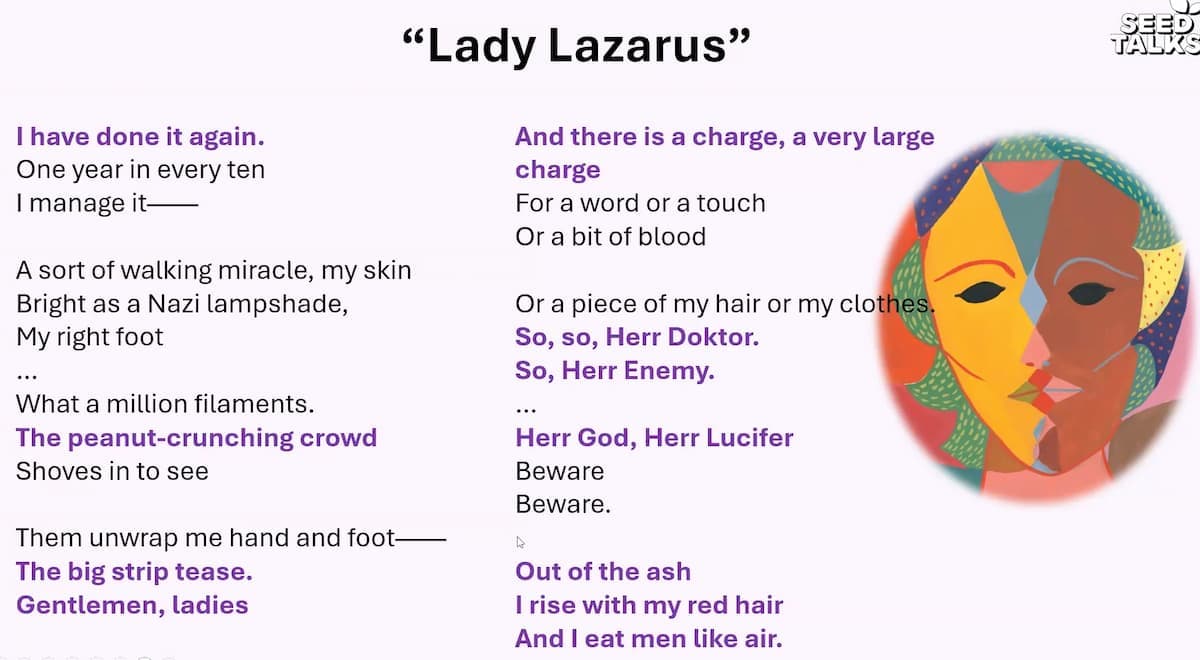
- How witches and witch trials run through Plath's poetry
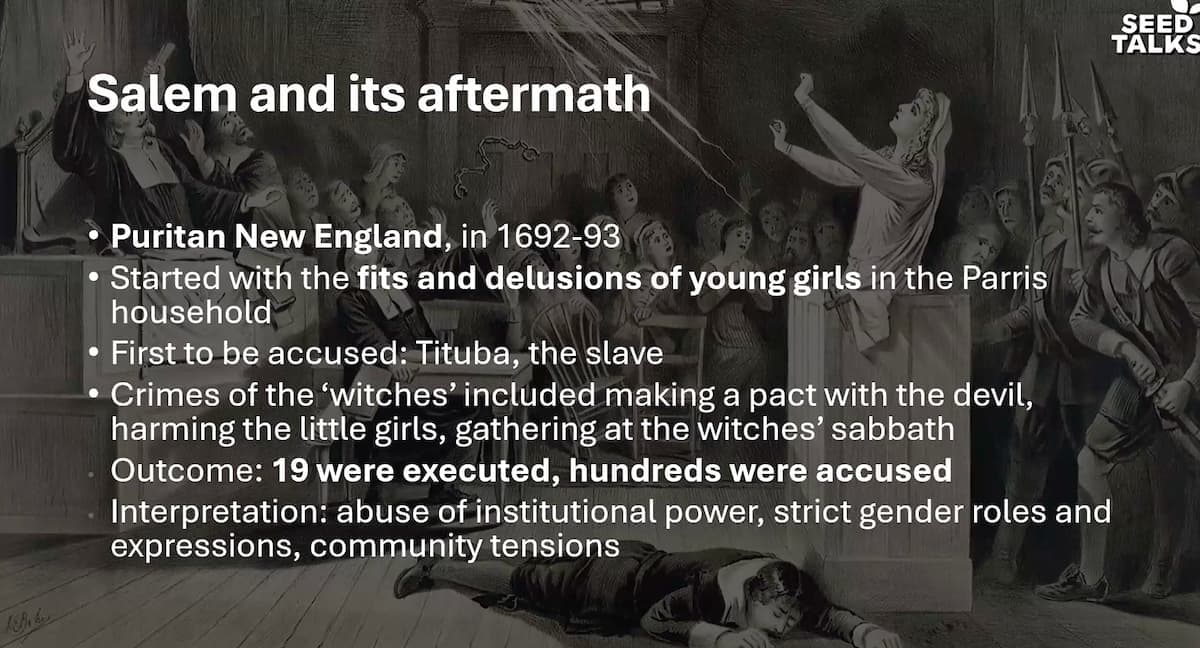
- Plath, Salem, and the 1950s revival of interest in the trials
- Witch imagery as a lens on power, identity and injustice
- Fairy-tale “evil” witches vs the real women who were accused
- Plath's sympathy for those punished by patriarchal systems
About this talk
Explore the politics of the witch trials and the powerful witch imagery in Sylvia Plath's poetry.
Sylvia Plath is best known for her novel The Bell Jar (1963) and her emotive, striking poetry. She grew up in Massachusetts, close to Salem — a place deeply linked to the history of the witch trials — and during the 1950s, renewed public interest in those events shaped her writing and imagination. Plath often used images of witches and witch trials to explore power, identity and injustice, reflecting her concerns about control and authority while showing sympathy for those unfairly accused.
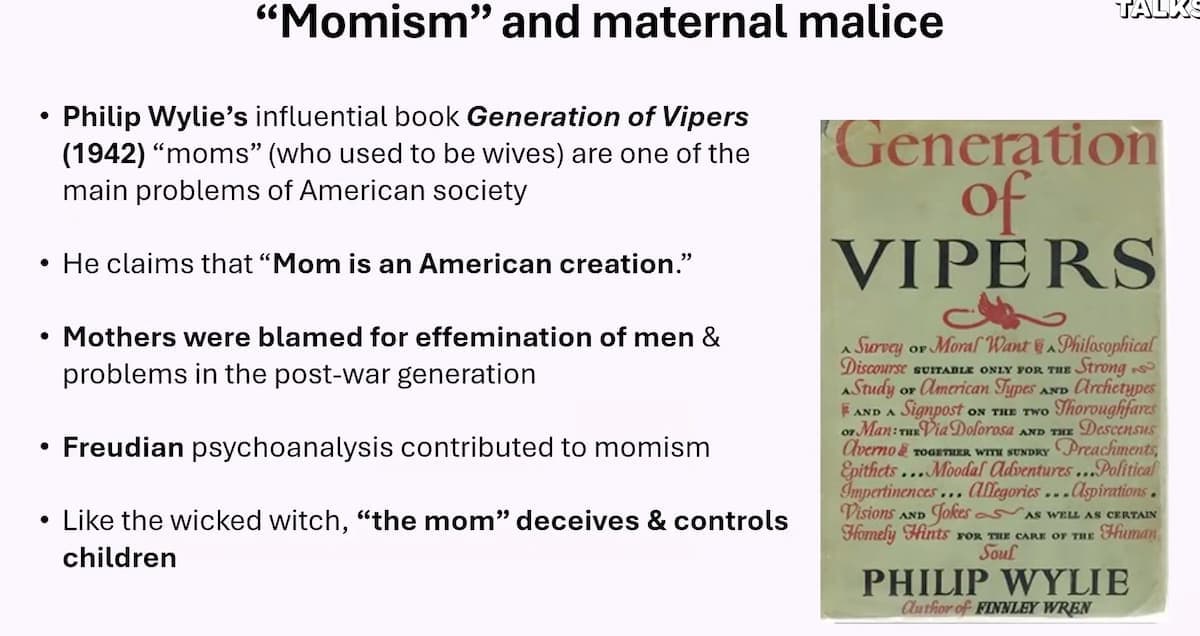
Dr Dorka Tamás explores how Plath connects with witchcraft and poetic language, and how the figure of the witch appears in different forms across her work — contrasting the fictional “evil” witches of fairy tales with the real historical victims who were accused of witchcraft and punished by patriarchal power.
A peek inside
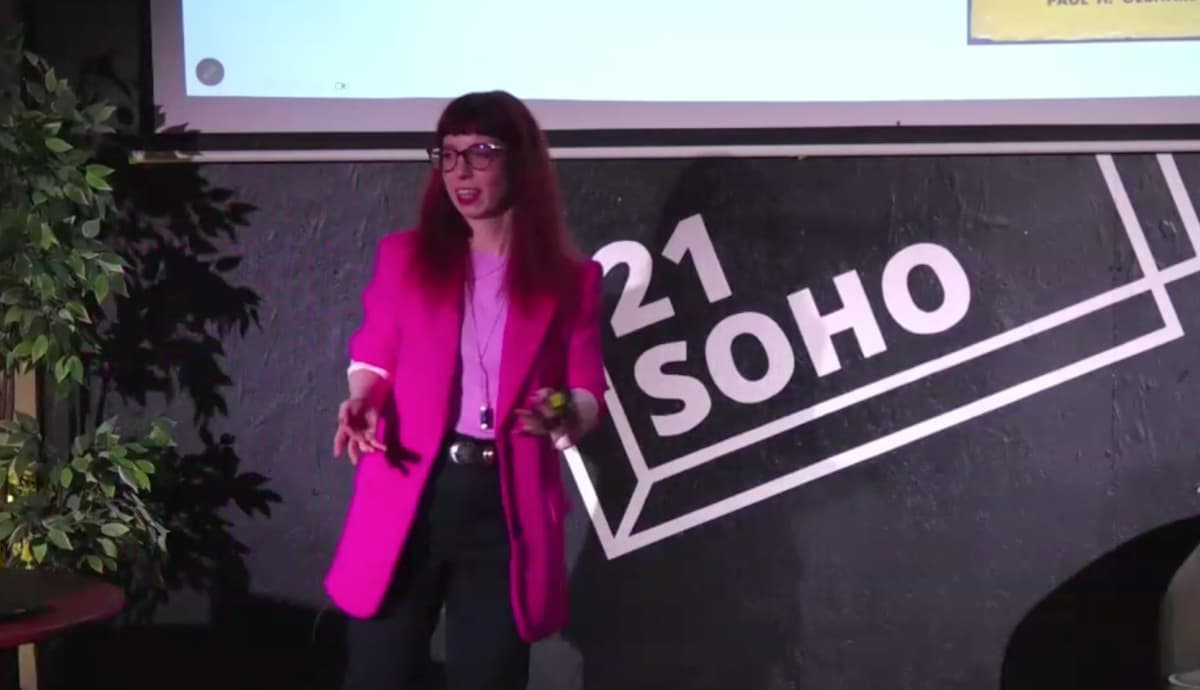
Your speaker: Dorka Tamas
Dr Dorka Tamás is a researcher and teacher at Royal Holloway, University of London, with a PhD in English literature from the University of Exeter. She specialises in twentieth-century women's poetry — particularly Sylvia Plath — the legacy of the early-modern witch-hunt in literature, and post-1945 American culture. She is the author of Sylvia Plath and the Supernatural (Cambridge University Press, 2026).
Ready to watch? Instant access, watch anytime for 12 months.